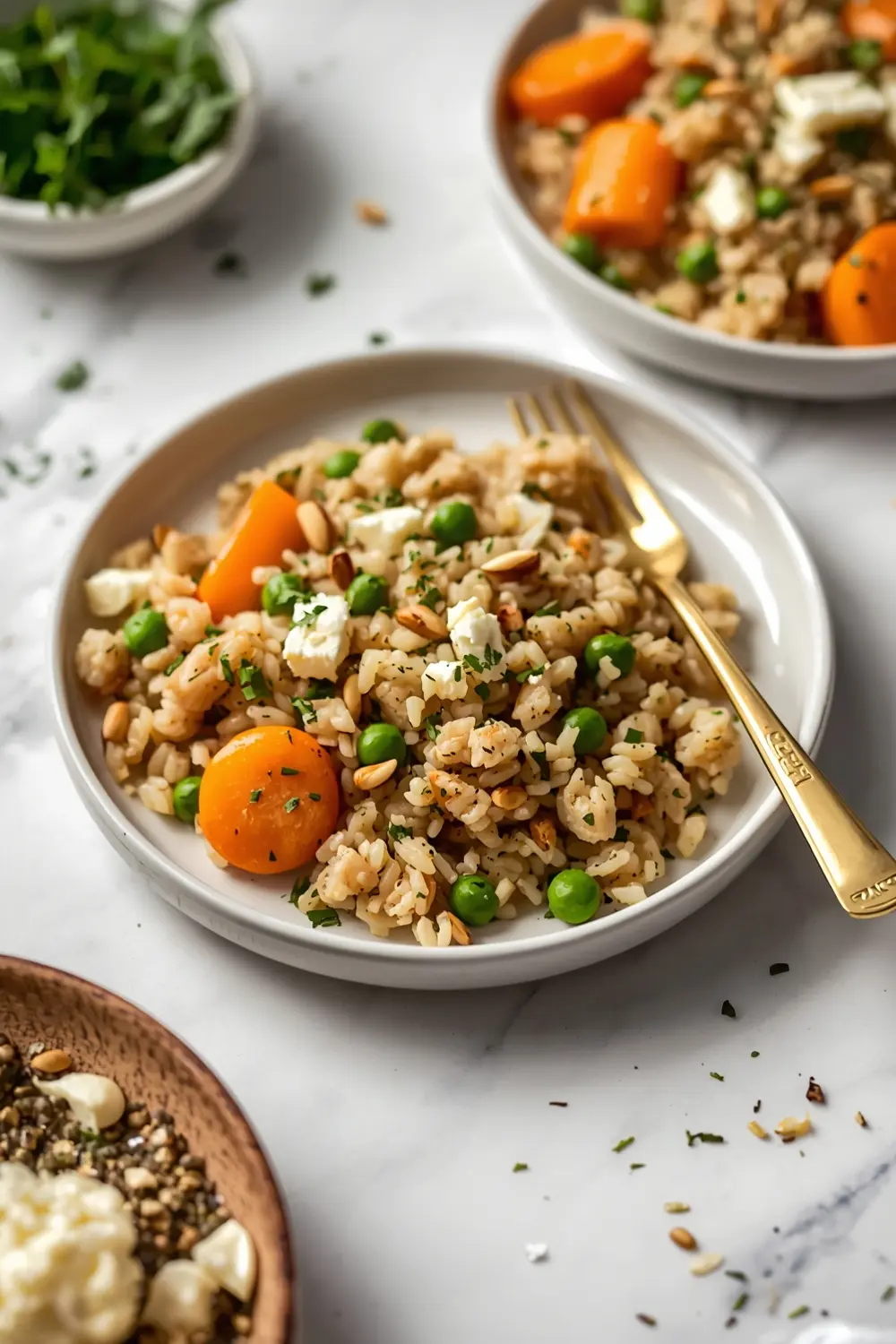
Easter rice pilaf recipe is exactly what your spring table needs this year. I’m talking fluffy basmati, bright herbs, and a touch of toasted nuts that make it feel fancy without the fuss. This herb rice dinner side comes together in under 40 minutes, which means less stress on holiday dinner day.
My family goes nuts for this dish because it’s light but filling. The frozen peas and carrots keep things simple — no farmers market hunting required. Plus, it pairs beautifully with lamb, chicken, or even roasted vegetables if you’re going that route.
Looking for an easy Easter side dish that’ll actually impress? This one checks every box. Bookmark this Easter rice pilaf recipe for your next spring celebration and watch people ask for seconds.
Why this Easter rice pilaf recipe works
Ever had a side dish that steals the show? This rice pilaf does exactly that, and I learned the secret after burning my first batch (yes, I walked away for two minutes). The combination of toasted pine nuts, fresh herbs, and feta cheese elevates basic rice into something restaurant-worthy.
- Comes together in under 40 minutes — perfect for busy weeknight dinners
- Forgiving recipe that’s nearly impossible to mess up once you know the technique
- Packed with spring flavors — thyme, parsley, and bright vegetables shine through
- Makes 6 generous servings, so it feeds a crowd without doubling ingredients
| Prep Time | Cook Time | Calories | Servings | Cuisine |
|---|---|---|---|---|
| 15 min | 25 min | 245 per serving | 6 servings | Mediterranean |
Ingredients for Easter rice pilaf recipe
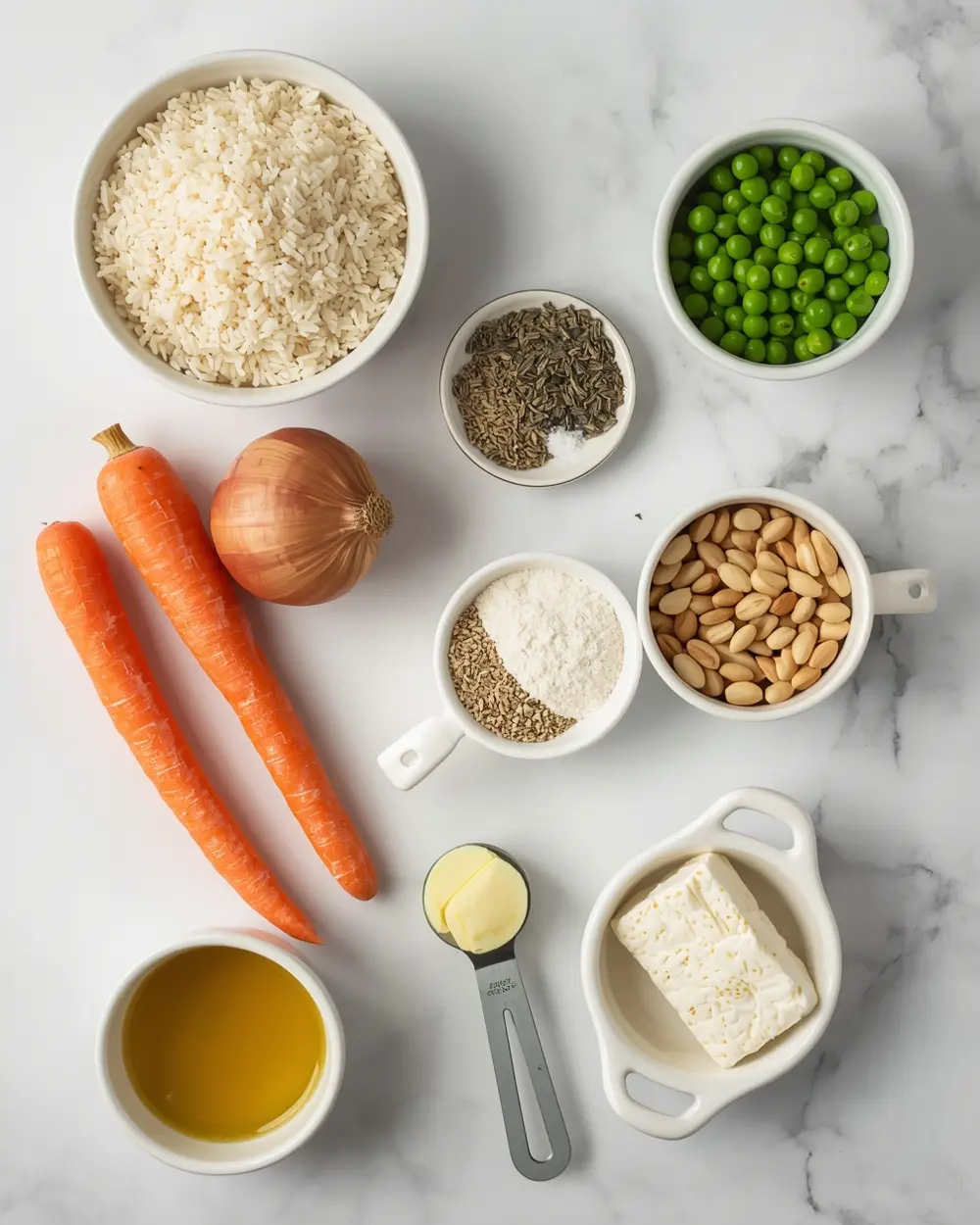
- 1 cup basmati rice
- 2 tablespoons olive oil
- 1 medium onion, diced
- 2 cloves garlic, minced
- 1 cup carrots, diced
- 1/2 cup frozen peas
- 1 cup chicken broth
- 1/2 teaspoon salt
- 1/4 teaspoon black pepper
- 1 teaspoon dried thyme
- 1 teaspoon dried parsley
- 1/4 cup toasted pine nuts
- 1/4 cup crumbled feta cheese
Honestly, the rice quality matters here — basmati gives you those separate, fluffy grains that make this Easter rice pilaf look restaurant-quality. If you can’t find basmati, long-grain white rice works fine, but you’ll notice the difference in texture.
The frozen peas and carrots are a total time-saver, and I’m not gonna lie, they work better than fresh in this case. Fresh vegetables release too much moisture and can make your rice mushy. Stick with frozen and thank me later.
Step-by-step instructions
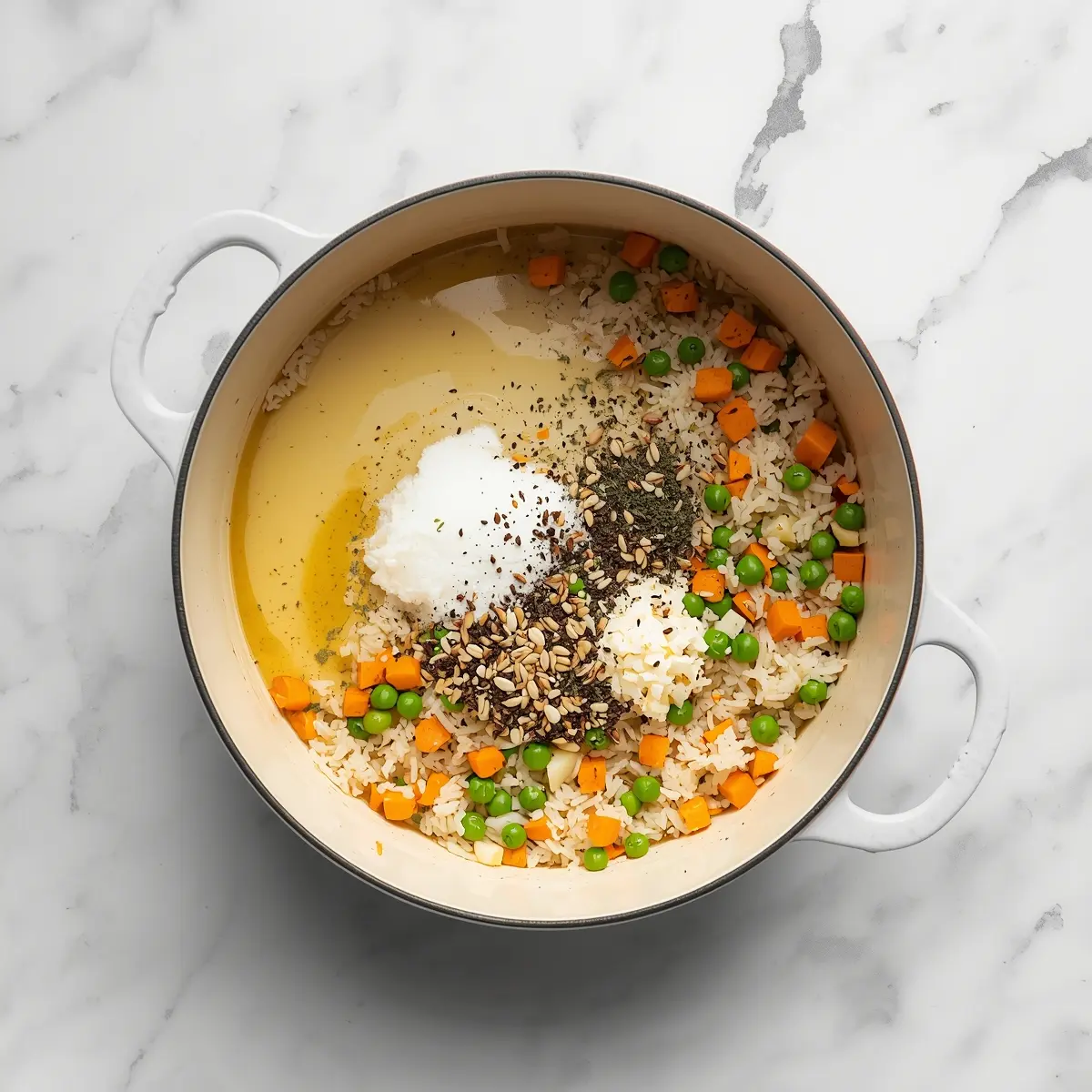
1. Heat 2 tablespoons olive oil in a large saucepan over medium heat. Add your diced onion and cook for about 2-3 minutes until it softens and becomes translucent. You’ll know it’s ready when the edges start to turn golden and the kitchen smells amazing.
2. Stir in your minced garlic and cook for another 30 seconds — don’t skip this step because garlic burns fast and tastes bitter. Add your diced carrots next and let them cook for 2 minutes, stirring occasionally. The carrots won’t be fully cooked yet, and that’s exactly what you want.
3. Pour in your 1 cup basmati rice and stir constantly for about 1 minute. This toasts the rice slightly and helps prevent sticking later on. You’ll hear it making little clicking sounds against the pan — that’s the sign you’re doing it right.
4. Add 1 cup chicken broth, 1/2 teaspoon salt, 1/4 teaspoon black pepper, 1 teaspoon dried thyme, and 1 teaspoon dried parsley. Bring everything to a boil, then reduce heat to low and cover tightly with a lid. Don’t peek inside — I know it’s tempting, but you need that steam to cook the rice properly.
5. Let your Easter rice pilaf recipe simmer for exactly 18-20 minutes without lifting the lid. The rice should absorb all the liquid during this time. After 18 minutes, carefully remove the lid and check if the rice is tender and the liquid is absorbed.
6. Stir in your 1/2 cup frozen peas gently with a fork. Don’t mash the rice — you want those fluffy individual grains. Let it sit for 2 minutes so the peas warm through completely.
7. Transfer to a serving bowl and top with 1/4 cup toasted pine nuts and 1/4 cup crumbled feta cheese right before serving. The warm rice melts the cheese slightly, creating little pockets of creaminess throughout. Taste and adjust salt as needed — remember that feta is already salty, so go easy.
Serving ideas for Easter rice pilaf recipe
This herbed rice shines alongside your favorite spring proteins and vegetables.
Roasted lamb with mint sauce
Lamb and this herb rice are made for each other. The thyme in the pilaf echoes beautifully with traditional lamb seasonings, while the feta adds a Mediterranean touch that feels completely natural and restaurant-quality.Grilled chicken breast with lemon
Lemon-herb grilled chicken pairs perfectly with this **Easter rice pilaf recipe**, especially when you drizzle the chicken with fresh lemon juice right before serving. The bright citrus cuts through the richness of the pine nuts and feta, creating a balanced, craveable combination.Roasted spring vegetables medley
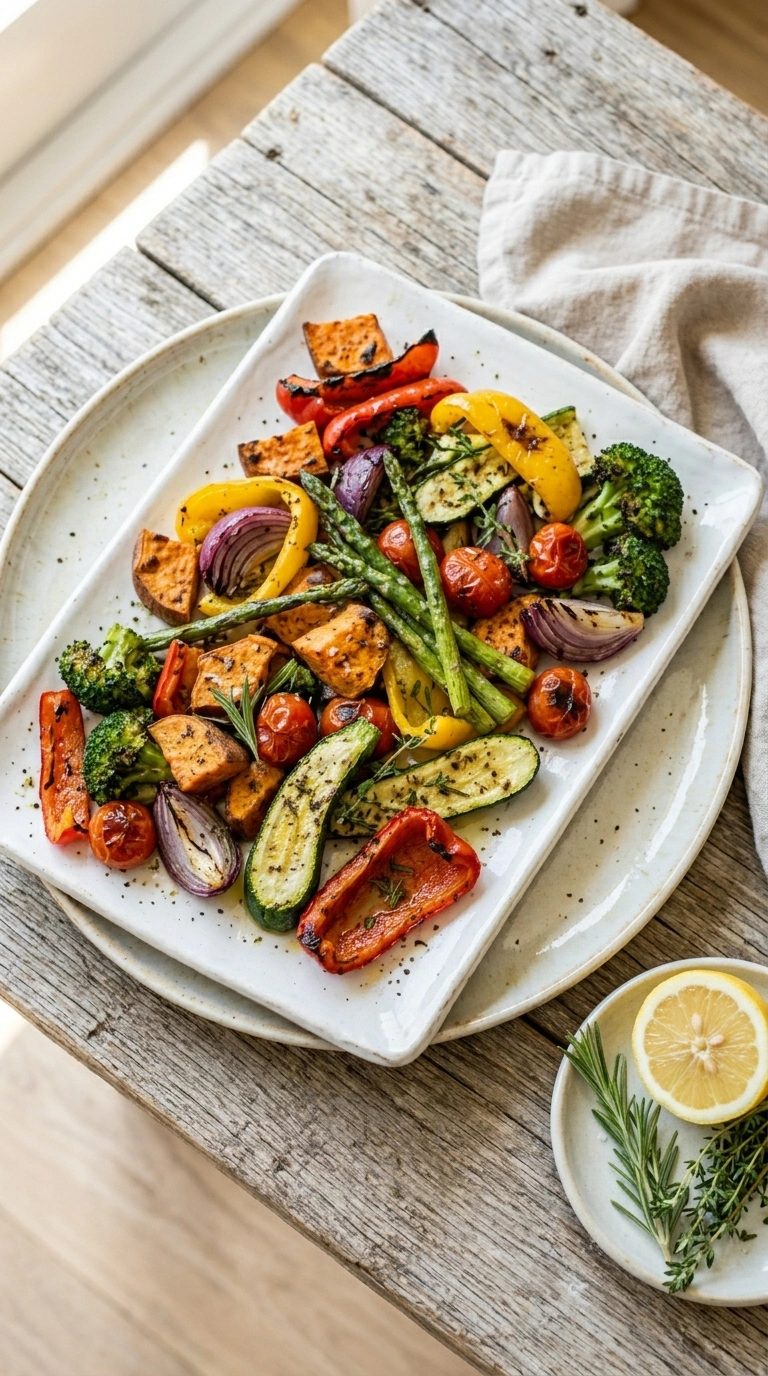
For a vegetarian route, toss roasted asparagus, baby carrots, and spring onions alongside this herb rice. The pilaf becomes the protein-rich centerpiece, and the roasted vegetables’ caramelized edges complement the toasted nuts and creamy feta perfectly.Pro tips for perfect Easter rice pilaf recipe
Storage tips
– Keep leftovers in an airtight container in the fridge for up to 4 days – The rice keeps its texture better than most pilaf recipes do – Freeze extras in portions for up to 2 months — thaws beautifullyMake-ahead instructions
– Prep all your vegetables the night before and store in separate containers – Toast your pine nuts ahead of time and keep in an airtight container – Cook the pilaf completely, cool it, then reheat gently with a splash of brothVariations
– Swap pine nuts for sliced almonds or walnuts if that’s what you have on hand – Add 1/2 cup diced roasted red peppers for extra sweetness and color – Replace half the chicken broth with vegetable broth for a lighter versionTroubleshooting
– **Rice comes out mushy?** You likely peeked under the lid or used too much liquid. Measure carefully next time. – **Rice tastes bland?** Taste before serving — the feta adds saltiness, so adjust other seasonings accordingly. – **Broth absorbed but rice still crunchy?** Add 2-3 tablespoons more broth, cover, and cook 2-3 minutes longer.Frequently asked questions
Can I make Easter rice pilaf recipe ahead of time?
Absolutely — cook it completely, cool it down, then refrigerate in an airtight container for up to 4 days. Reheat gently on the stovetop with a splash of broth over medium-low heat, stirring occasionally until warmed through. Microwaving works too if you’re short on time (cover and heat in 2-minute intervals), though the stovetop method keeps the texture better.
What can I substitute for the feta cheese?
You’ve got options here. Crumbled goat cheese gives a similar tangy vibe, while ricotta salata adds a firmer texture and saltier profile. Even parmesan works if that’s all you have, though it won’t be quite as creamy. Pick whichever cheese you’ve got in your fridge.
How do I reheat leftover Easter rice pilaf?
The stovetop beats every other method by a mile. Warm it in a skillet over medium-low heat with 2-3 tablespoons of broth, stirring gently, for about 4-5 minutes until heated through and steaming. Avoid the microwave if possible because it dries out the rice, though it works in a pinch at 50% power in 2-minute intervals.
Does this herb rice dinner side work for non-holiday meals?
Totally — I actually make this year-round because it’s that good. The Mediterranean flavors work for weeknight dinners, potlucks, and meal prep. It pairs with absolutely any protein, and vegetarians love it as a filling main course.
Final thoughts
This Easter rice pilaf recipe is hands-down one of my most-requested dishes come spring. The combination of toasted pine nuts, bright herbs, and creamy feta makes it feel special without requiring complicated techniques. Honestly, it’s so good that people assume you spent way more time than you actually did.
Need a crowd-pleaser that comes together fast? Check out these other spring side dishes for more inspiration. This pilaf proves that simple ingredients and proper technique trump fancy equipment every time.
Pin this herb rice dinner side now for your next holiday dinner or weeknight meal — you won’t regret it.
Easter Rice Pilaf Herbed and Light for Spring
Ingredients
Method
- Heat 2 tablespoons olive oil in a large saucepan over medium heat. Add your diced onion and cook for about 2-3 minutes until it softens and becomes translucent. You’ll know it’s ready when the edges start to turn golden and the kitchen smells amazing.
- Stir in your minced garlic and cook for another 30 seconds — don’t skip this step because garlic burns fast and tastes bitter. Add your diced carrots next and let them cook for 2 minutes, stirring occasionally. The carrots won’t be fully cooked yet, and that’s exactly what you want.
- Pour in your 1 cup basmati rice and stir constantly for about 1 minute. This toasts the rice slightly and helps prevent sticking later on. You’ll hear it making little clicking sounds against the pan — that’s the sign you’re doing it right.
- Add 1 cup chicken broth, 1/2 teaspoon salt, 1/4 teaspoon black pepper, 1 teaspoon dried thyme, and 1 teaspoon dried parsley. Bring everything to a boil, then reduce heat to low and cover tightly with a lid. Don’t peek inside — I know it’s tempting, but you need that steam to cook the rice properly.
- Let your Easter rice pilaf recipe simmer for exactly 18-20 minutes without lifting the lid. The rice should absorb all the liquid during this time. After 18 minutes, carefully remove the lid and check if the rice is tender and the liquid is absorbed.
- Stir in your 1/2 cup frozen peas gently with a fork. Don’t mash the rice — you want those fluffy individual grains. Let it sit for 2 minutes so the peas warm through completely.
- Transfer to a serving bowl and top with 1/4 cup toasted pine nuts and 1/4 cup crumbled feta cheese right before serving. The warm rice melts the cheese slightly, creating little pockets of creaminess throughout. Taste and adjust salt as needed — remember that feta is already salty, so go easy.