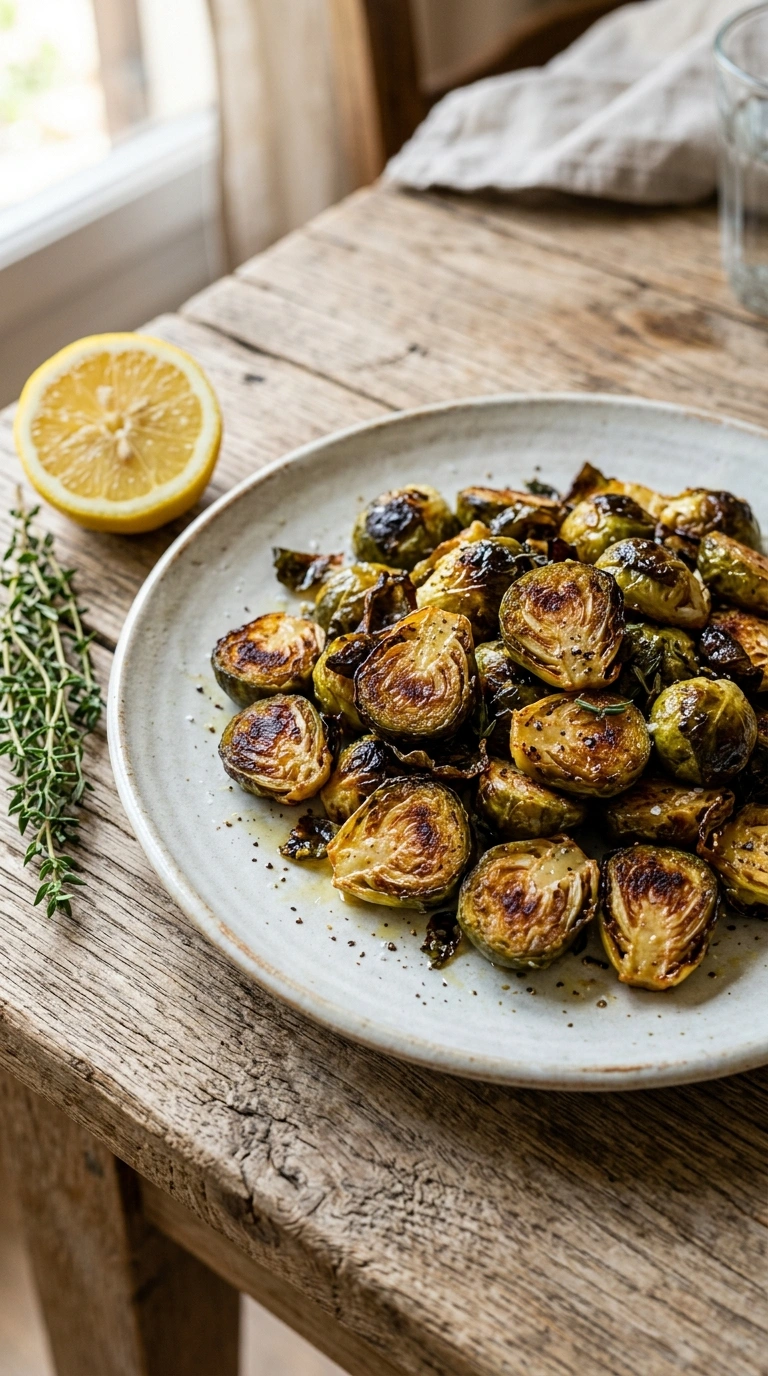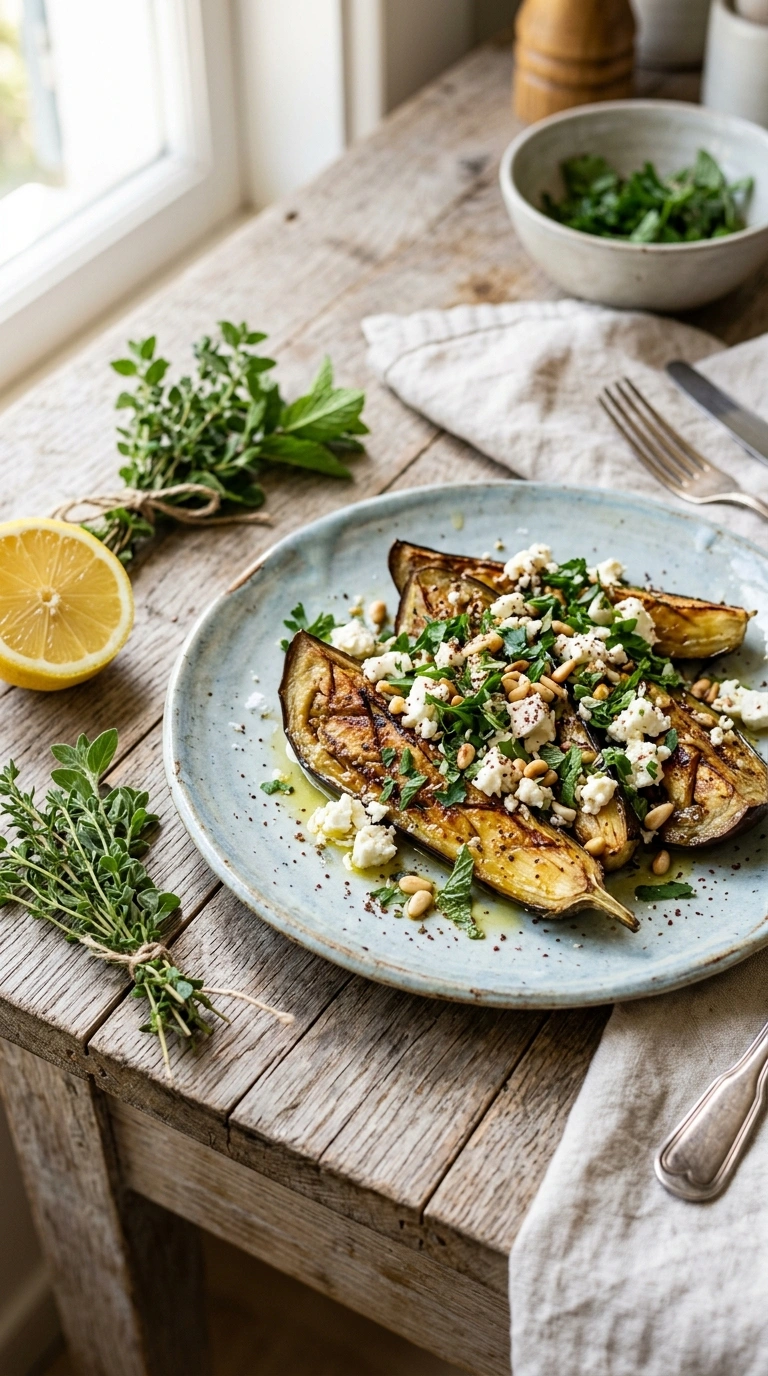
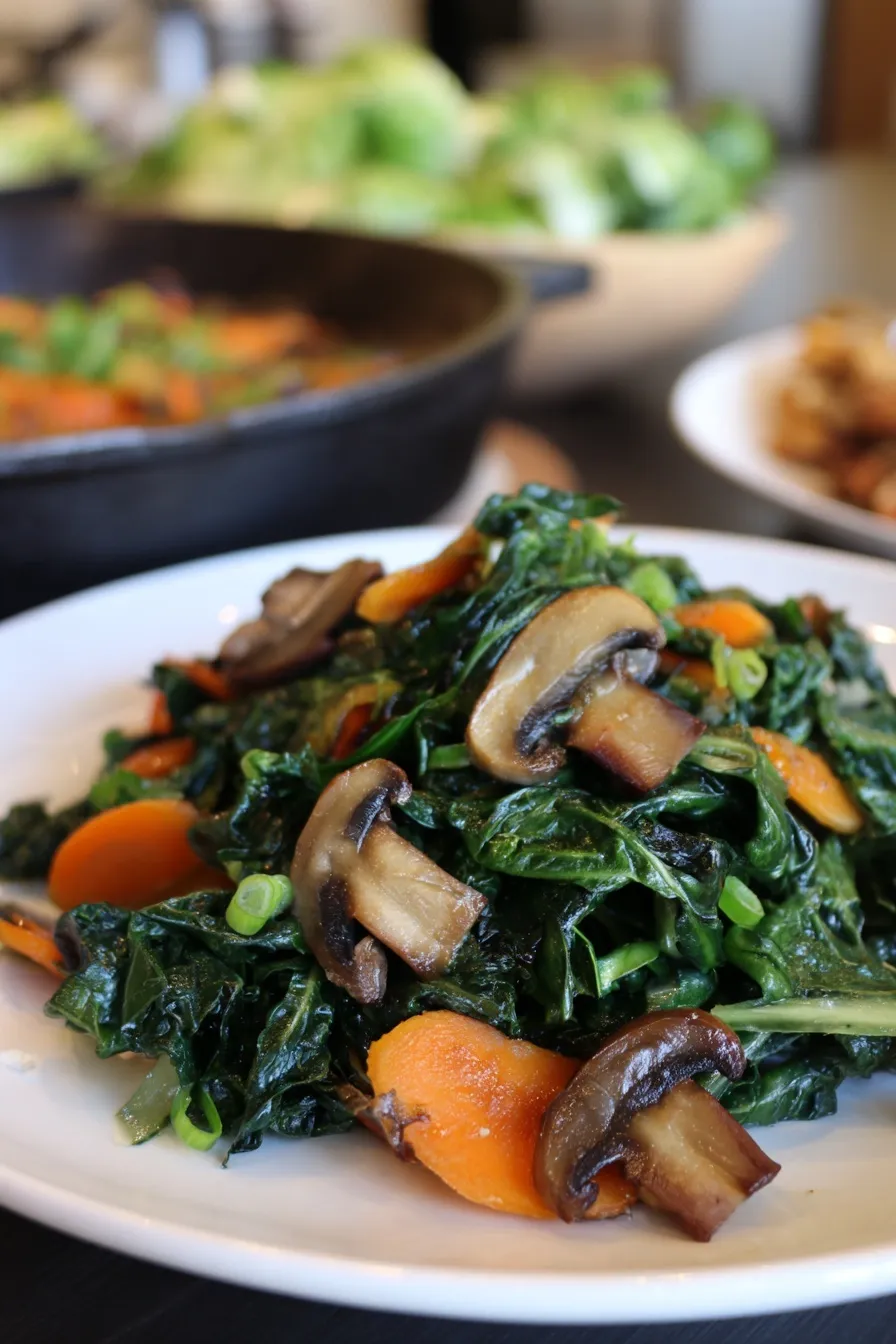
Looking for a veggie side that actually tastes good? Sautéed vegetables bring out natural sweetness and crispy-tender texture in just 15 minutes with garlic, olive oil, and your favorite seasonal produce.
Since you’re here, make sure to check out these related recipes:
- Pumpkin Mushroom Spaghetti Recipe (Creamy Fall Pasta)
- Ricotta Corn Fritters Recipe (Crispy Golden)
- Chicken Sausage Broccoli Orzo Recipe (One Pot Wonder)
Why This Sautéed Vegetables Recipe Works
Need a side dish that works with literally anything? After years of testing different cooking methods, I’ve found that sautéing beats roasting and steaming for speed and flavor.
You’re getting restaurant-quality vegetables at home. High heat caramelizes the natural sugars while keeping that satisfying crunch, and garlic-infused oil coats every piece with flavor.
Quick cooking preserves nutrients better than boiling or long roasting. Fiber stays intact, vitamins don’t leach out, and you get crisp-tender texture in under 15 minutes.
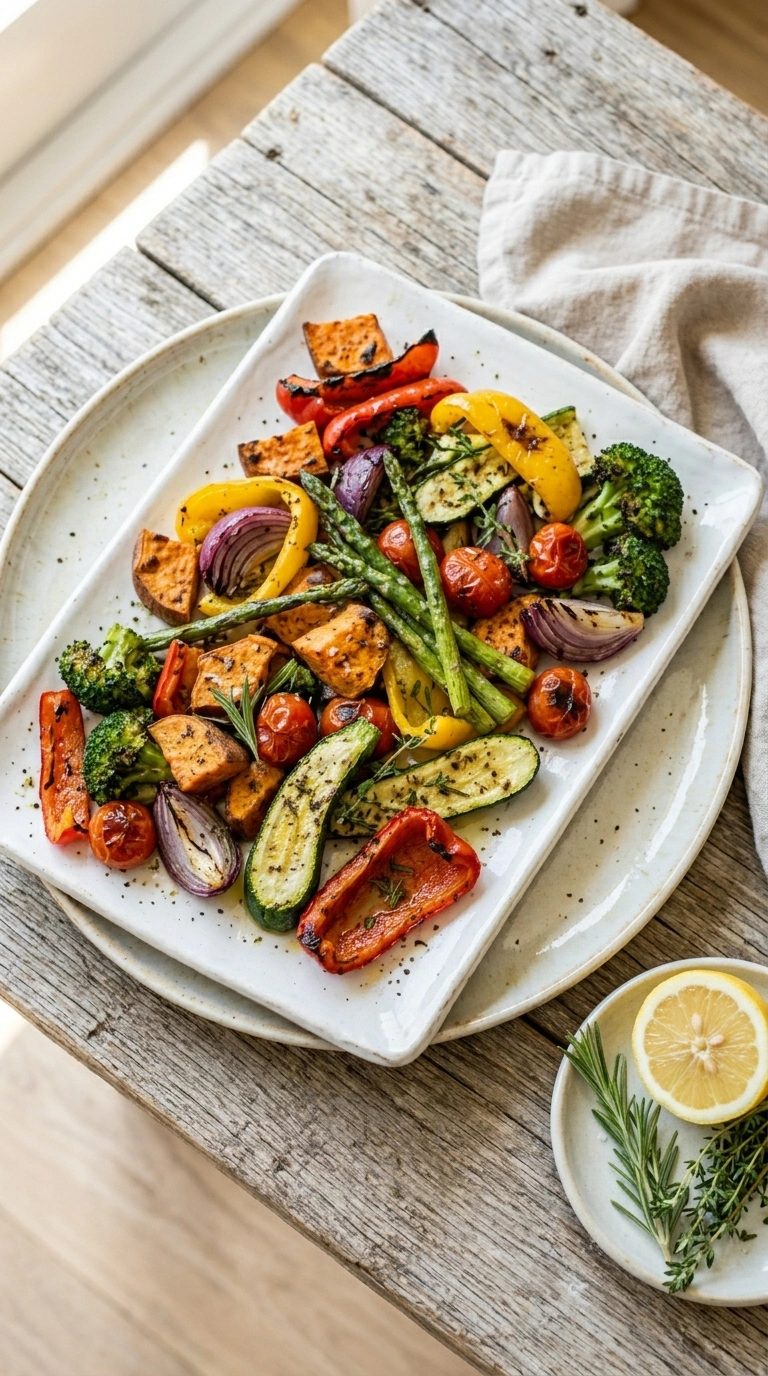
Versatility is unmatched because you can swap vegetables based on what’s in season or what needs using up. Bell peppers, zucchini, broccoli, snap peas, carrots, mushrooms—they all work beautifully with this method.
Ingredients for Best Sautéed Vegetables
Want to know what makes the difference between bland and delicious? The combination of fresh vegetables, quality oil, and proper seasoning transforms simple produce into something you’ll crave.
For the vegetables:
- 2 tablespoons olive oil (or avocado oil)
- 2 cloves garlic, minced
- 1 small onion, thinly sliced
- 1 bell pepper, sliced
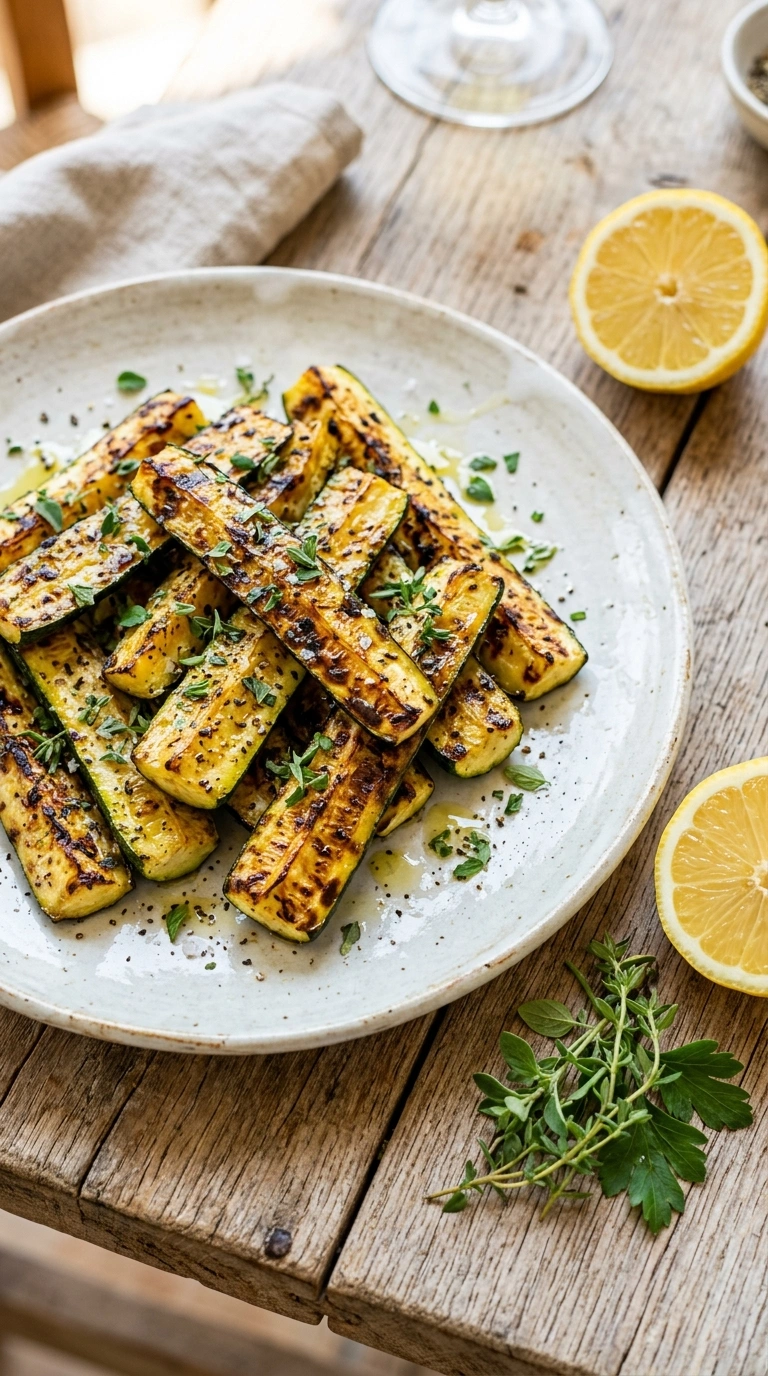
- 1 zucchini, sliced into half-moons
- 1 cup broccoli florets
- 1 medium carrot, julienned or thinly sliced
- ½ cup snap peas
- ½ cup mushrooms, sliced
For seasoning:
- Salt and black pepper, to taste
- 1 teaspoon lemon juice (optional)
- 1 teaspoon balsamic vinegar or soy sauce (optional)
- Fresh herbs, toasted nuts, or grated Parmesan for topping
The oil matters because it’s your flavor vehicle. Extra-virgin olive oil adds fruity notes, avocado oil has a clean taste, and butter brings richness. All work beautifully depending on your preference.
Garlic and onions cook first to infuse the oil with aromatic flavor before vegetables hit the pan. I learned this technique during my training at the Culinary Institute of America, and it’s essential for building layers of taste.
Fresh vegetables beat frozen for this recipe, though frozen works in a pinch if you thaw and pat them completely dry first.
Step-by-Step Instructions
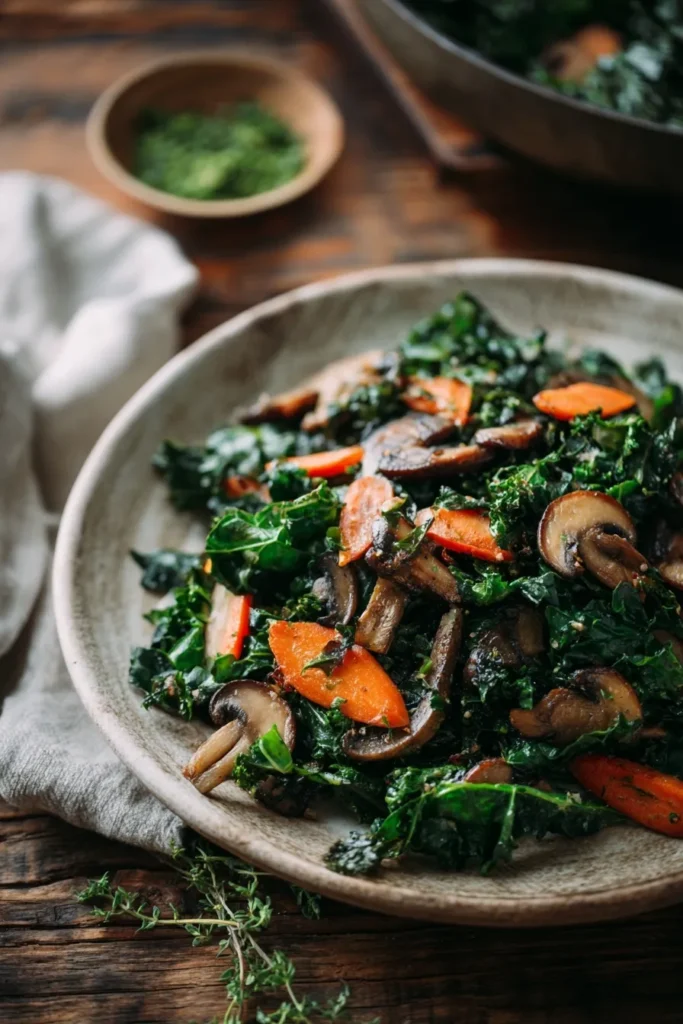
1. Prep all vegetables before you start cooking because this moves fast once the pan heats up. Wash, peel if needed, and cut everything into uniform pieces so they cook evenly.
2. Heat your skillet over medium-high heat and add oil, swirling to coat the bottom. You want the oil shimmering but not smoking—about 30 seconds does it.
3. Cook garlic and onions first for 1-2 minutes until fragrant and slightly softened. Don’t let garlic burn or it’ll taste bitter.
4. Add harder vegetables like carrots and broccoli first since they need more time. Cook for 3-4 minutes, stirring frequently to prevent sticking.
5. Add softer vegetables including bell peppers, zucchini, mushrooms, and snap peas. Continue cooking for another 4-5 minutes, tossing often, until everything reaches crisp-tender perfection.
6. Season generously with salt and pepper, then add optional flavorings like lemon juice or balsamic vinegar. Toss well and taste—adjust seasoning as needed.
7. Finish and serve immediately for best texture. Garnish with fresh herbs, toasted nuts, or a sprinkle of Parmesan cheese if desired.
Essential Equipment
Large skillet or sauté pan (12-inch)
Size matters when sautéing because overcrowding steams vegetables instead of browning them. A 12-inch skillet gives vegetables space to make contact with the hot surface for proper caramelization.
Sharp chef’s knife
Uniform cuts ensure even cooking throughout all vegetables. I’ve tested this recipe with hand-chopped and poorly chopped vegetables—the difference in final texture is dramatic.
Wooden spoon or silicone spatula
Frequent tossing prevents burning and promotes even browning. These tools won’t scratch your pan and give you better control than metal utensils.
Cutting board (PREMIUM)
A large, stable cutting board makes prep work faster and safer. Invest in a quality wooden or thick plastic board that won’t slip while you’re chopping multiple vegetables.
What to Serve with Sautéed Vegetables
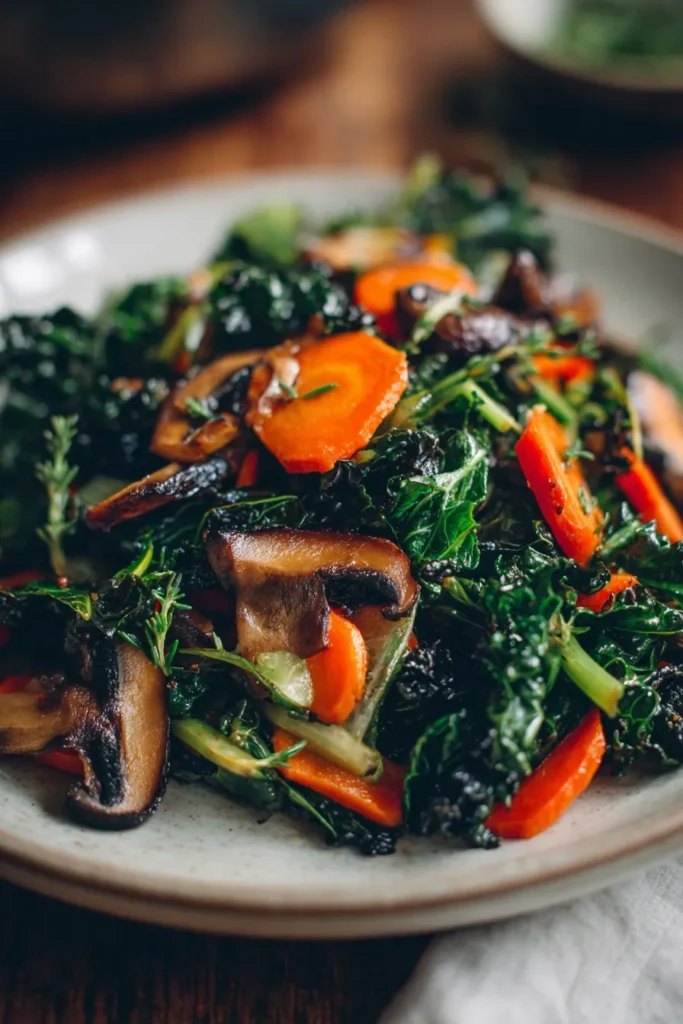
Ready to build a complete meal? These vegetables pair beautifully with proteins, grains, and starches for balanced dinners that come together quickly.
Grilled proteins like chicken breast, salmon, or halal-certified steak create a classic pairing. The vegetables add color and nutrients while the protein brings satisfying substance.
Grain bowls come alive when topped with these vegetables. Serve over quinoa, brown rice, or farro, then add a protein and drizzle of tahini or lemon dressing for a complete meal.
Pasta dishes benefit from stirring in sautéed vegetables during the last minute of cooking. Try them with Chicken Sausage Broccoli Orzo for extra vegetable power.
Mediterranean plates shine when vegetables join hummus, pita, and grilled halal-certified meats. Add lemon zest and fresh oregano for an authentic touch.
Storage and Reheating Guide
Refrigerator storage
Store cooled vegetables in an airtight container for 3-4 days maximum. Texture softens slightly over time, but they still taste delicious reheated or eaten cold in grain bowls.
Freezer storage
Freeze in portion-sized containers for up to 3 months, though mushrooms and zucchini become softer after thawing. Slightly undercook if you plan to freeze, then finish cooking when reheating.
Reheating instructions
Quickly sauté in a hot pan with a splash of oil to restore crispness, or microwave with a teaspoon of water for 1-2 minutes. Oven reheating at 400°F for 5-7 minutes also works beautifully.
Sautéed Vegetables Recipe Variations
Want to change up the flavor profile? These simple twists transform basic sautéed vegetables into entirely different dishes using pantry staples and common add-ins.
Asian-inspired vegetables come together when you swap olive oil for sesame oil and finish with soy sauce, ginger, and toasted sesame seeds. The nutty, savory notes pair perfectly with rice or noodles.
Mediterranean vegetables shine with extra-virgin olive oil, lemon zest, fresh oregano, and crumbled feta cheese. This variation complements grilled fish or works beautifully in Pumpkin Mushroom Spaghetti.
Spicy vegetables satisfy heat lovers when you add red pepper flakes, sriracha, or sliced jalapeños during cooking. Balance the heat with a squeeze of lime juice at the end.
Pro Tips & Tricks
Want restaurant-quality results every time?
Cut vegetables uniformly so everything finishes cooking at the same time. I learned this the hard way after serving perfectly cooked bell peppers alongside crunchy, undercooked carrots.
Don’t overcrowd your pan because too many vegetables create steam instead of browning. Cook in two batches if needed—the second batch takes just minutes and the results are worth it.
High heat is essential for proper caramelization and crisp-tender texture. Medium heat steams vegetables, while high heat creates beautiful browning and concentrated flavor.
Add aromatics first to infuse oil with flavor before vegetables hit the pan. Cooking garlic and onions at the start builds a flavorful foundation for everything else.
Frequently Asked Questions
Can I use frozen vegetables for this recipe?
Yes, but thaw completely and pat very dry with paper towels first. Excess moisture creates steam instead of browning, resulting in soggy vegetables instead of crispy ones. Fresh vegetables give superior texture and flavor.
How do I keep vegetables crisp instead of mushy?
Use high heat and avoid overcrowding the pan. Cook vegetables in batches if needed, and toss frequently for even cooking without overcooking.
What’s the best oil for sautéing vegetables?
High smoke point oils like avocado oil, grapeseed oil, or refined olive oil work best. Butter adds flavor but watch carefully to prevent burning, or use half butter and half oil.
Can I make this ahead for meal prep?
Absolutely! Chop vegetables up to 2 days ahead and store separately, then cook just before serving for best texture. Cooked vegetables reheat well for 3-4 days in meal prep containers.
How do I add protein to make a complete meal?
Toss in pre-cooked chicken, shrimp, halal-certified turkey bacon, tofu, or chickpeas during the last 2 minutes of cooking. You can also serve vegetables alongside your favorite protein for a balanced plate.
What vegetables work best for sautéing?
Quick-cooking vegetables like bell peppers, zucchini, snap peas, mushrooms, and asparagus are perfect. Harder vegetables like carrots and broccoli work when cut thin or added first with a few extra minutes of cooking time.
About Liz E. Pepper
Liz E. Pepper is a culinary school-trained recipe developer with over 15 years of experience creating approachable, delicious recipes. A graduate of the Culinary Institute of America, Liz has developed recipes for Better Homes & Gardens, Food Network Magazine, and other leading publications. She founded LizTable in 2025 to share tested recipes that bring people together around the table. Liz’s culinary roots trace back to her mother’s kitchen in Tuscany, Italy, where she learned the art of simple, flavorful Mediterranean cooking.
Why You’ll Love This Recipe
Ready to add more vegetables to your weekly rotation? These sautéed vegetables deliver nutrition and flavor without the fuss of complicated recipes or long cooking times.
Quick weeknight sides shouldn’t sacrifice taste for convenience. Make a batch tonight and see why this simple method beats steaming or roasting every time.
📌 Save this sautéed vegetables recipe for busy weeknights—they’re guaranteed to get everyone eating more veggies!