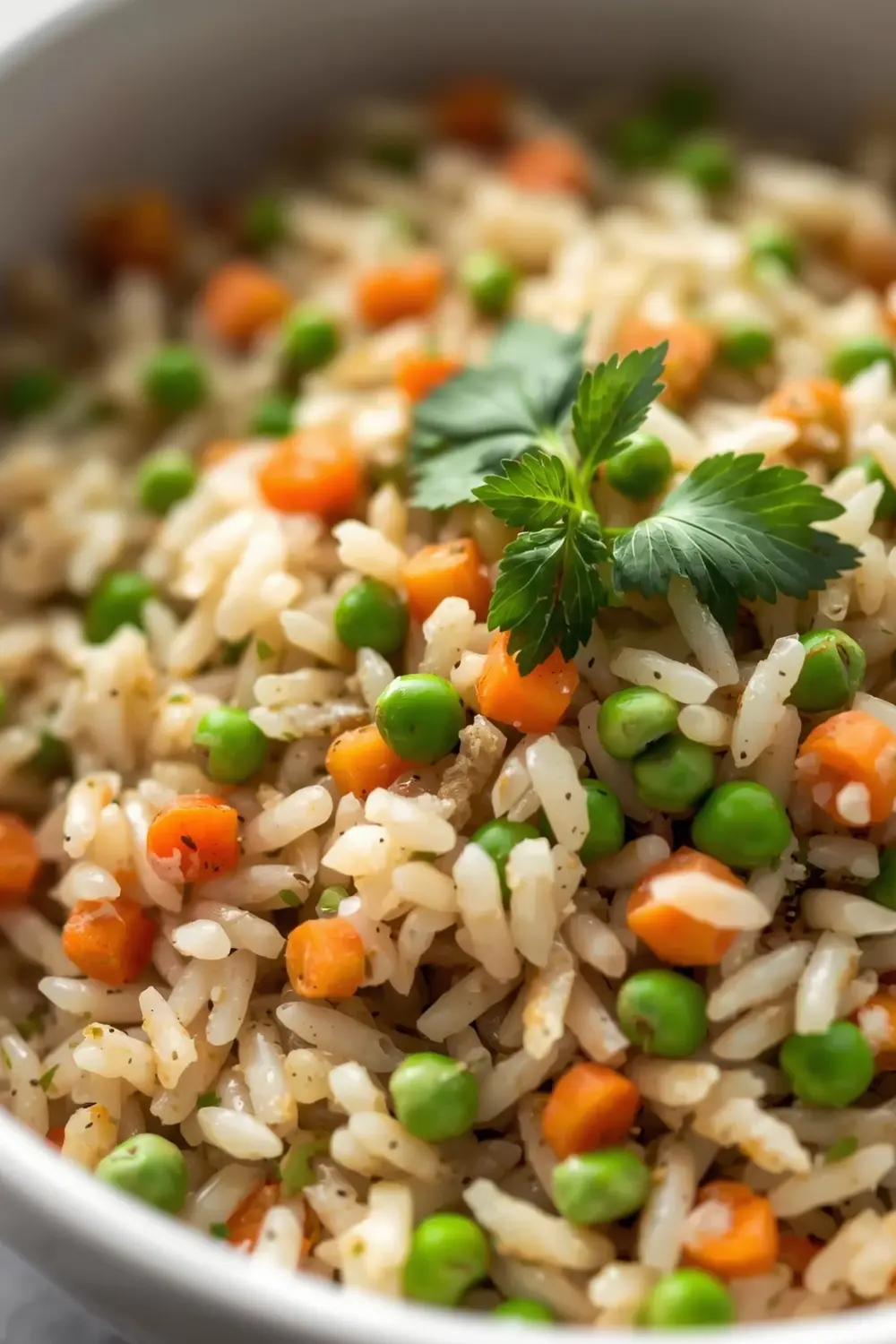
Most people mess up their spring herb rice pilaf recipe by toasting the rice wrong. They either skip it entirely or burn it to bitter bits. The magic happens when you toast basmati rice in butter for exactly 2-3 minutes until it smells warm and nutty — not scorched. That step makes the grains stay separate instead of turning mushy, and it’s the difference between a side dish people forget and one they actually ask for.
This herb rice side dish comes together in about 35 minutes total, and I’m not exaggerating when I say it’s become my go-to for weeknight dinners. Spring vegetables like peas and carrots make it feel fresh without being fussy. The lemon zest and fresh mint give you that bright, garden-forward flavor that makes people think you fussed way more than you actually did.
Why most spring herb rice pilaf recipes disappoint
Most recipes skip the toasting step or don’t toast long enough, which means your grains clump together instead of staying fluffy and separate. The broth-to-rice ratio matters way more than people think — too much liquid makes it gummy, too little leaves you with crunchy bits. Temperature control during cooking is critical, and most home cooks never dial in the exact heat level that keeps grains from sticking.
Here’s what you gain when you nail this spring herb rice pilaf recipe:
- Grains stay separate and fluffy — toasting creates a protective coating that prevents starch from releasing too quickly
- Bright herb flavor actually shines — fresh mint and parsley added at the end stay vibrant instead of turning dark and muted
- Consistent texture every single time — understanding the right simmer temperature removes all the guesswork
- Light and fresh instead of heavy — spring vegetables and lemon zest keep it from feeling like a winter comfort dish
Ingredients for spring herb rice pilaf recipe
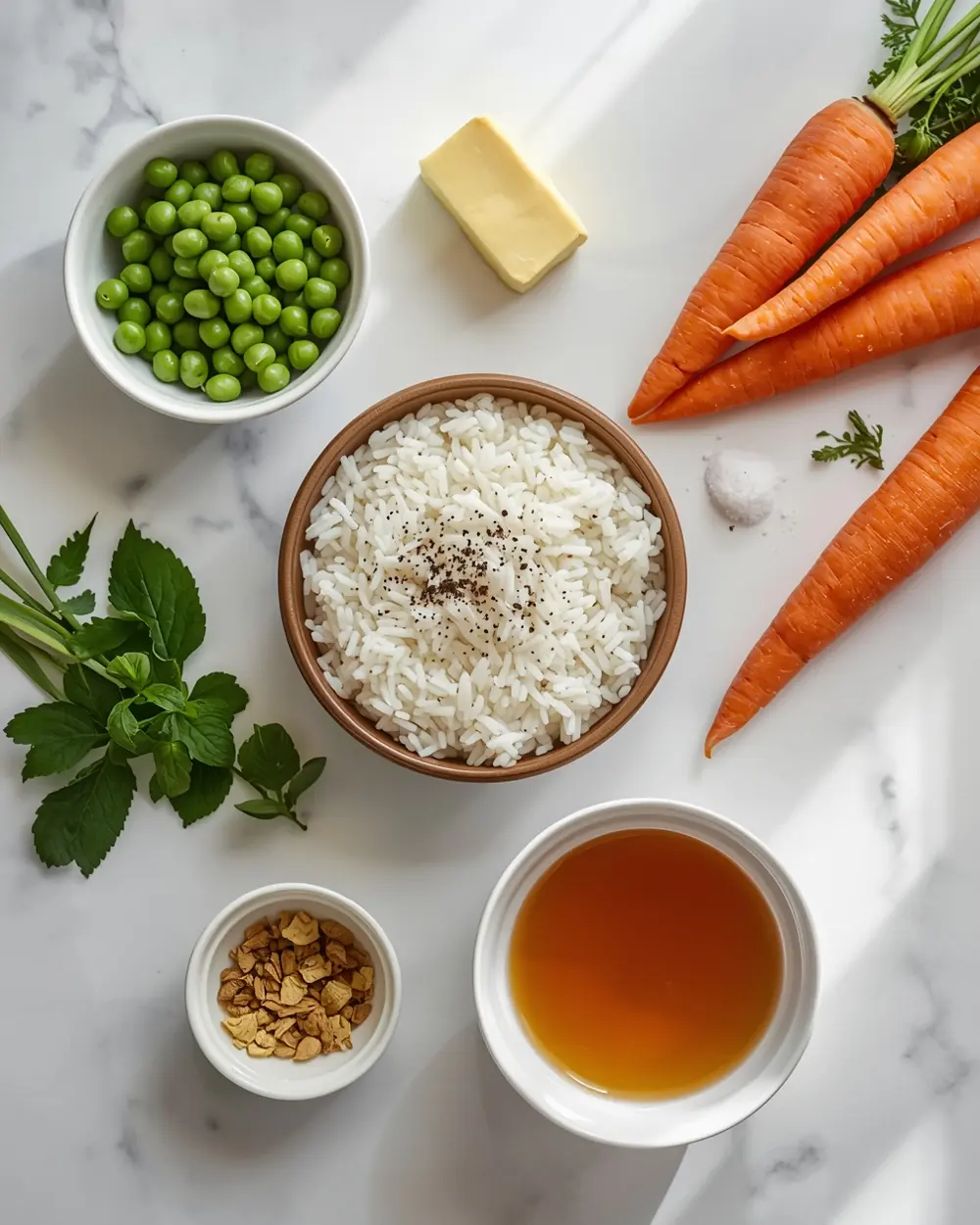
- 2 cups basmati rice
- 2 cups halal chicken broth
- 3 tablespoons butter
- 1 tablespoon olive oil
- 1/2 cup fresh peas
- 1/4 cup carrots, finely diced
- 1 teaspoon salt
- 1/2 teaspoon black pepper
- 1 teaspoon lemon zest
- 2 tablespoons fresh parsley, chopped
- 1 tablespoon fresh mint, chopped
Basmati rice has that delicate, almost silky texture when you run it between your fingers — that’s what you want. Long-grain basmati holds its shape way better than short-grain rice, and honestly, it’s the only rice I use for this herb rice side dish. Don’t substitute with jasmine or regular long-grain unless you want a totally different texture.
Fresh herbs make or break this dish, so don’t grab the dried stuff from the back of your spice cabinet. I personally think fresh mint and parsley from the produce section (or your garden if you’ve got one growing) are non-negotiable here. Trust me on this — the dried versions turn bitter when mixed into warm rice, and you’ll taste the difference immediately.
Step-by-step instructions
1. Rinse your 2 cups of basmati rice under cold water for about 2 minutes, stirring gently with your fingers. This removes excess starch that makes rice clumpy. Drain well in a fine-mesh strainer and set aside. Rinsing is the step most people skip, but it genuinely changes your texture from mushy to fluffy.
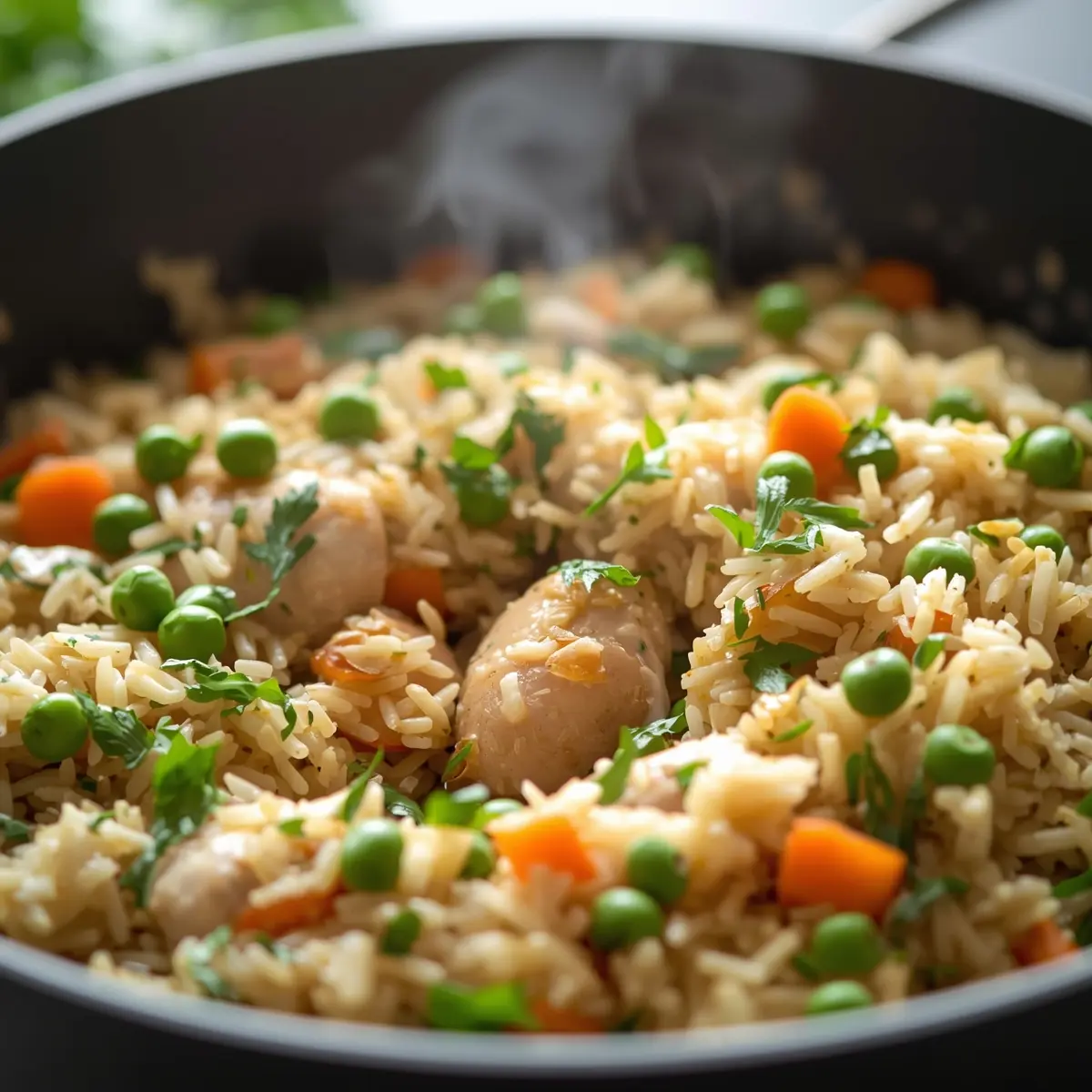
2. Heat 3 tablespoons butter and 1 tablespoon olive oil in a large pot over medium-high heat. Once the butter foams, add your drained rice and stir constantly for 2-3 minutes until it turns golden and smells toasty. Don’t walk away — keep an eye on it so it doesn’t burn. The rice should look slightly translucent at the edges.
3. Pour in 2 cups of chicken broth carefully — you’ll hear it sizzle and steam immediately, which means your rice is at the right temperature. Stir once to combine, then add 1 teaspoon salt and 1/2 teaspoon black pepper. Bring everything to a gentle boil, then reduce heat to low.
4. Cover the pot with a tight-fitting lid and simmer for 18-20 minutes without lifting the lid. Seriously, don’t peek. The steam inside is doing the cooking, and every time you lift the lid, you lose that heat and add time. I always set a timer so I don’t get distracted and forget about it.
5. While the rice cooks, prepare your vegetables. Dice your 1/4 cup carrots into tiny pieces (smaller than you think — they need to cook fast) and measure out 1/2 cup fresh peas. Mince your 2 tablespoons parsley and 1 tablespoon mint, and zest your lemon. Having everything prepped means you won’t scramble when the rice finishes.
6. After 18 minutes, your kitchen should smell like warm butter and toasted grain — that’s your sign it’s almost done. Carefully lift the lid (watch out for the steam!) and check if the liquid has been absorbed. If there’s still broth pooling at the bottom, cover and cook for 2 more minutes. The rice grains should look separate and slightly fluffy.
7. Remove from heat and immediately stir in your carrots, peas, lemon zest, parsley, and mint. The residual heat will warm the vegetables through in about 1-2 minutes. Taste and adjust salt if needed — sometimes I add an extra pinch. Fluff gently with a fork before serving your spring herb rice pilaf recipe.
Serving ideas for spring herb rice pilaf recipe
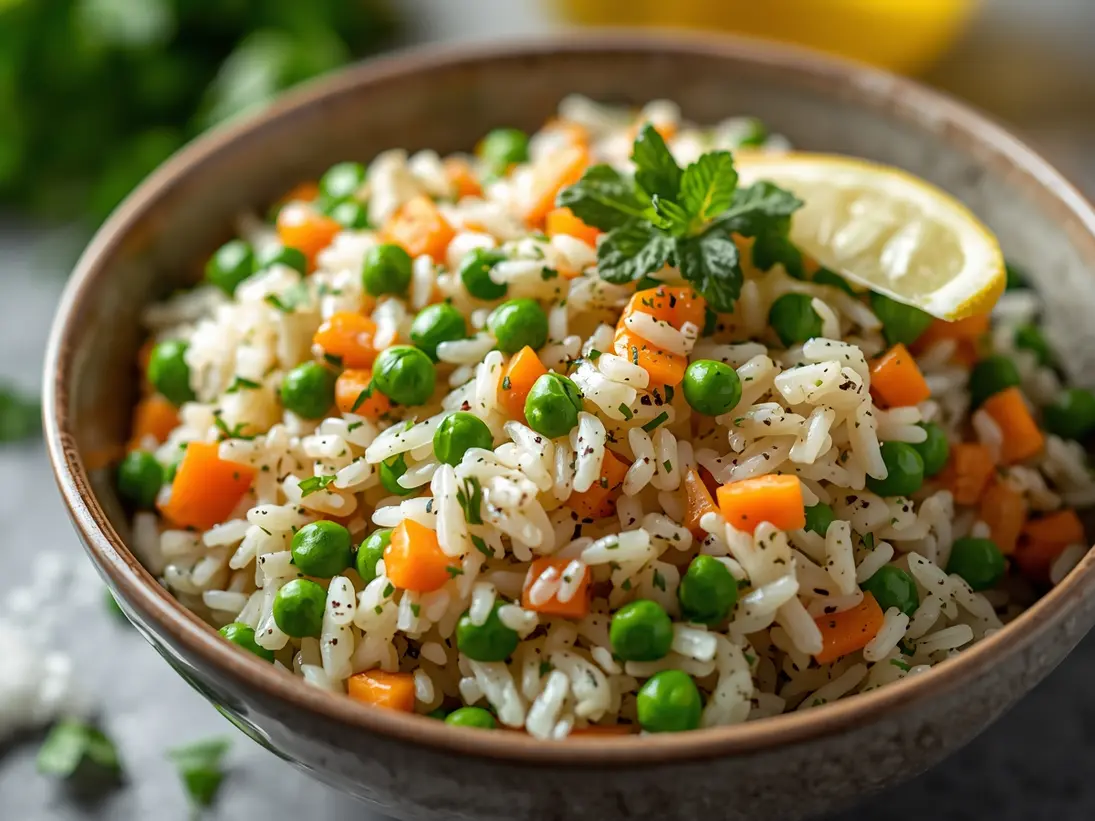
This herb rice side dish works with almost anything, but here’s what I reach for most.
Roasted chicken with herb rice
Pair this spring herb rice pilaf recipe with golden, crispy roasted chicken thighs. The warm, fluffy rice against cool herb-flecked grains creates the perfect textured base for juicy meat. The lemon zest in your rice echoes any lemon you use on the chicken, creating a cohesive plate that feels intentional without being complicated.
Grilled fish and spring vegetables
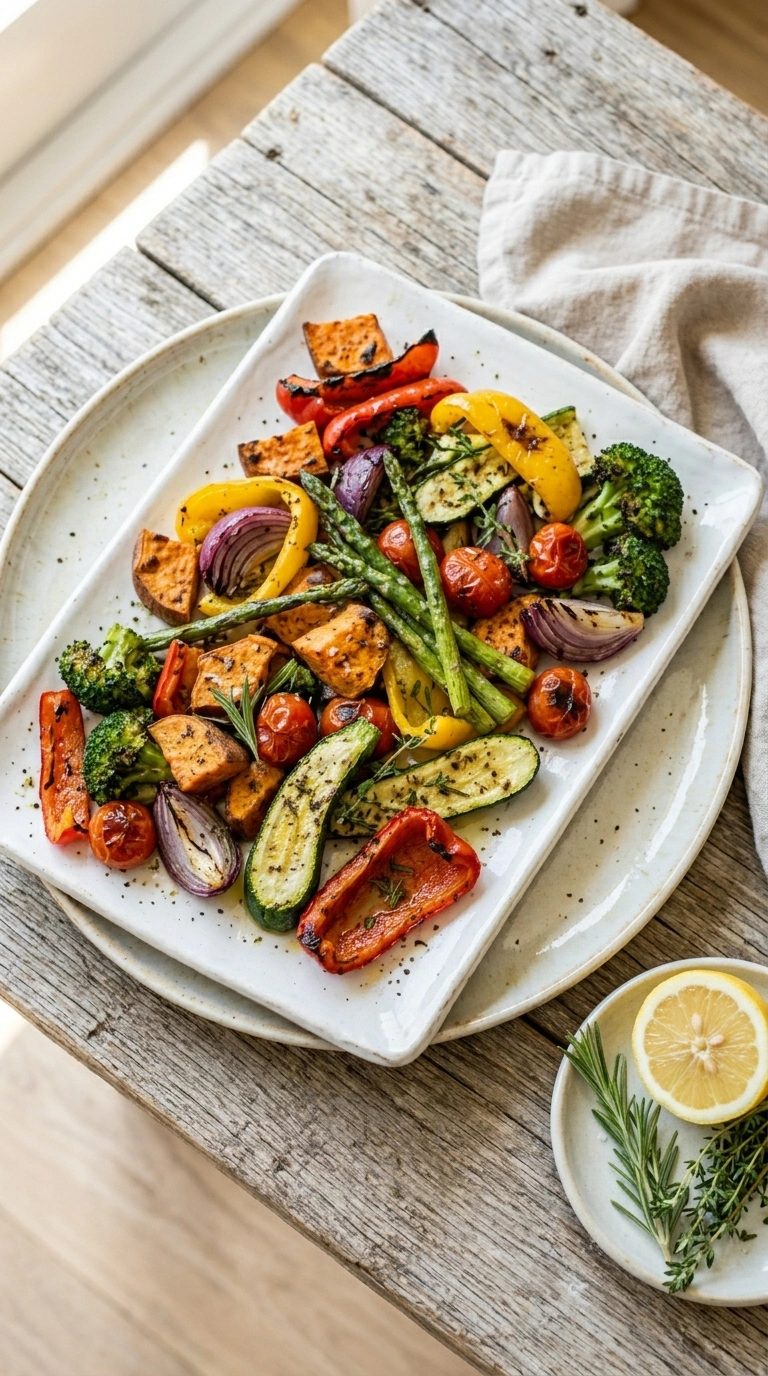
Light, flaky white fish like cod or halibut sits beautifully next to this light rice recipe. I love serving it with garlic herb roasted vegetables on the side. The fresh mint in your rice complements delicate fish better than heavy sides ever could.
Spring lamb with mint rice
Lamb and mint are basically made for each other, so this herb rice side dish becomes the star when you serve it alongside lamb chops or lamb kebabs. The peas and carrots add color and texture, while the mint brings everything together into one cohesive, restaurant-quality plate.
Frequently asked questions
Can I make spring herb rice pilaf ahead and reheat it?
Yes, absolutely. Make it up to 24 hours ahead and store it in an airtight container in the fridge. To reheat, add 2-3 tablespoons of water or broth and warm it gently in a pot over low heat for about 5 minutes, stirring occasionally. The key is using a low temperature so you don’t dry it out or create hot spots.
You can also reheat individual portions in the microwave with a damp paper towel on top for 1-2 minutes. I personally prefer the stovetop method because the rice stays fluffier and you can taste it as it warms. The microwave works in a pinch for busy weeknights, though.
What if I don’t have fresh mint or parsley?
You can use other fresh herbs like basil, cilantro, or chives instead — they’ll work great in this herb rice side dish. If you absolutely must use dried herbs, use about 1 teaspoon dried instead of the fresh herbs listed. Add dried herbs during the cooking process rather than at the end so they rehydrate properly.
Honestly, I’d recommend running to the store for fresh herbs because they make such a difference here. The dried versions turn dark and bitter when stirred into warm rice, and you’ll taste it immediately. Fresh herbs stay bright and actually taste like spring.
Can I use vegetable broth instead of chicken broth?
Yes, vegetable broth works perfectly fine in this spring herb rice pilaf recipe and keeps it vegetarian. The flavor will be slightly lighter and less savory, but the rice texture will be identical. Use the same amount — 2 cups broth to 2 cups rice.
Some people add an extra 1/2 teaspoon of salt when using vegetable broth since it’s typically milder than chicken broth. Taste it at the end and adjust seasoning as needed. I’ve made it both ways and honestly prefer the lighter, more herb-forward flavor with vegetable broth sometimes.
How do I know when the rice is perfectly cooked?
The rice is done when all the liquid has been absorbed and the grains look separate and fluffy, not clumped together. You shouldn’t see any broth pooling at the bottom of the pot. Grains should be tender but still have a slight firmness when you bite one — not mushy or crunchy.
If you’re unsure, lift the lid at the 18-minute mark and check. If there’s still visible liquid, cover and cook for 2 more minutes. After a couple times making this, you’ll recognize the texture automatically and won’t need to check anymore.
Final thoughts
You now know what most people miss about making a really good spring herb rice pilaf — the toasting step and careful heat management are everything. That warm, nutty smell when you toast the rice? That’s when the magic actually starts. Once you dial in those two techniques, you’ll make this light rice recipe constantly because it’s genuinely foolproof.
The actual eating experience is what gets people asking for your recipe. The grains stay completely separate on your fork, each one coated lightly with butter and herb flavor. When you bite into it, you get that tender-but-still-distinct texture that shows you didn’t overcook it, plus little bursts of sweetness from the peas and carrots.
This herb rice side dish works for weeknight dinners with roasted chicken, fancy dinner parties with lamb, or meal prep for the week ahead. It’s the kind of side that makes people think you’re a better cook than you actually are. Check out spring vegetable soup if you want a complete spring menu — the flavors complement each other beautifully.
Save this spring herb rice pilaf recipe to your favorites and make it this week. Honestly, once you taste how much better homemade tastes than boxed mixes, you won’t go back.

Spring Herb Rice Pilaf Fragrant and Fluffy
Ingredients
Method
- Rinse your 2 cups of basmati rice under cold water for about 2 minutes, stirring gently with your fingers. This removes excess starch that makes rice clumpy. Drain well in a fine-mesh strainer and set aside. Rinsing is the step most people skip, but it genuinely changes your texture from mushy to fluffy.
- Heat 3 tablespoons butter and 1 tablespoon olive oil in a large pot over medium-high heat. Once the butter foams, add your drained rice and stir constantly for 2-3 minutes until it turns golden and smells toasty. Don’t walk away — keep an eye on it so it doesn’t burn. The rice should look slightly translucent at the edges.
- Pour in 2 cups of chicken broth carefully — you’ll hear it sizzle and steam immediately, which means your rice is at the right temperature. Stir once to combine, then add 1 teaspoon salt and 1/2 teaspoon black pepper. Bring everything to a gentle boil, then reduce heat to low.
- Cover the pot with a tight-fitting lid and simmer for 18-20 minutes without lifting the lid. Seriously, don’t peek. The steam inside is doing the cooking, and every time you lift the lid, you lose that heat and add time. I always set a timer so I don’t get distracted and forget about it.
- While the rice cooks, prepare your vegetables. Dice your 1/4 cup carrots into tiny pieces (smaller than you think — they need to cook fast) and measure out 1/2 cup fresh peas. Mince your 2 tablespoons parsley and 1 tablespoon mint, and zest your lemon. Having everything prepped means you won’t scramble when the rice finishes.
- After 18 minutes, your kitchen should smell like warm butter and toasted grain — that’s your sign it’s almost done. Carefully lift the lid (watch out for the steam!) and check if the liquid has been absorbed. If there’s still broth pooling at the bottom, cover and cook for 2 more minutes. The rice grains should look separate and slightly fluffy.
- Remove from heat and immediately stir in your carrots, peas, lemon zest, parsley, and mint. The residual heat will warm the vegetables through in about 1-2 minutes. Taste and adjust salt if needed — sometimes I add an extra pinch. Fluff gently with a fork before serving your spring herb rice pilaf recipe.