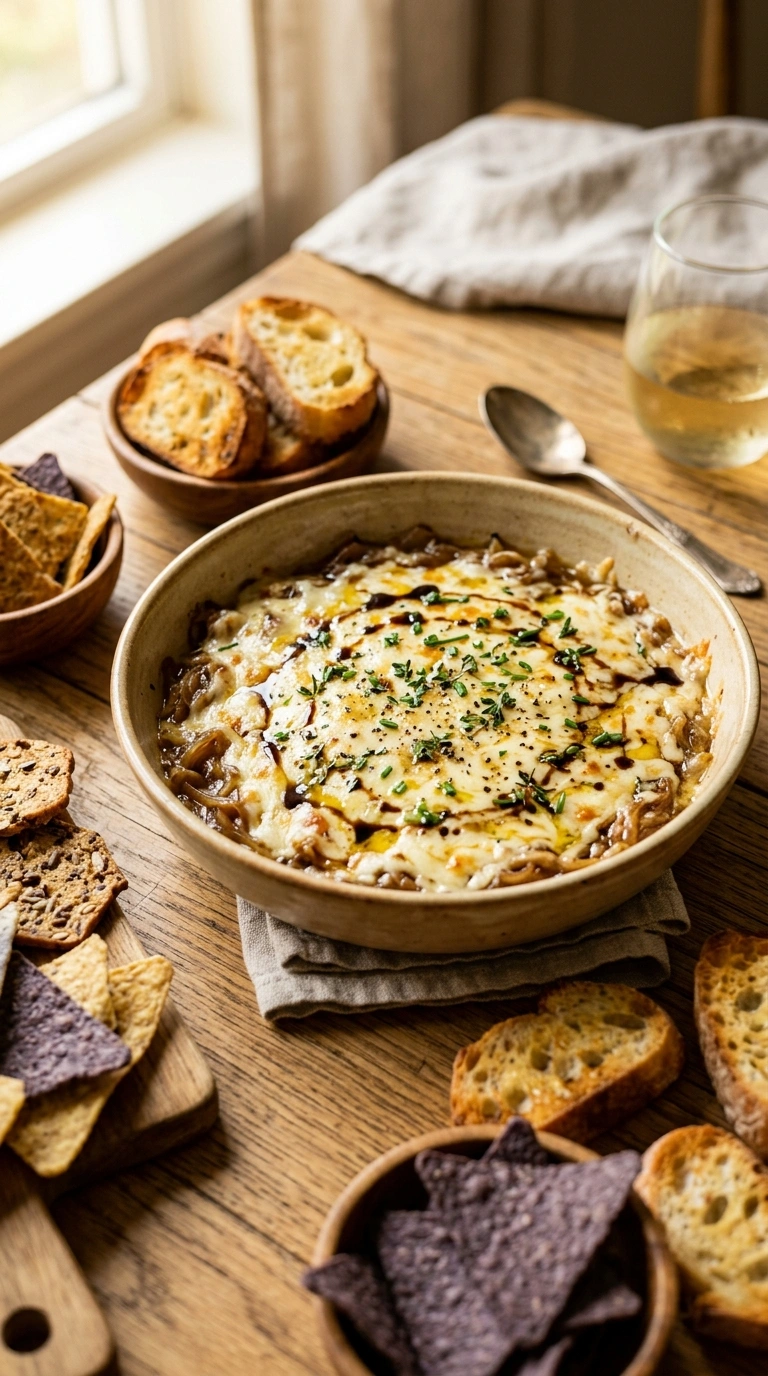

This creamy winter vegetable casserole transforms seasonal produce into the ultimate cold-weather comfort dish. Tender roasted vegetables swim in a rich, velvety cheese sauce topped with buttery breadcrumbs that bake up golden and crispy. It’s the kind of dish that makes winter dinner tables feel complete.
The secret lies in roasting the vegetables first to concentrate their natural sweetness before they meet the Mornay sauce base. This French-style béchamel enriched with Gruyère and Parmesan creates incredible depth without overwhelming the vegetables’ earthy flavors. The result is a winter vegetable casserole that feels both indulgent and nourishing.
This casserole works beautifully as a main course for vegetarians or a stunning holiday side dish. Try my pumpkin mushroom spaghetti recipe for another seasonal vegetable option. The dish pairs wonderfully with my caramelized onion gruyere bread wreath for festive entertaining. For a complete winter menu, serve alongside my cranberry orange breakfast cake for brunch gatherings.
Why This Winter Vegetable Casserole Works
| Prep Time | Cook Time | Calories | Servings | Cuisine |
|---|---|---|---|---|
| 20 minutes | 30 minutes | 285 per serving | 8 | French-American |
Pre-roasting the vegetables removes excess moisture that would otherwise make your casserole watery. The two-step cooking process also builds complex caramelized flavors that elevate this from simple to spectacular.
The combination of Gruyère and Parmesan creates a nutty, savory sauce that complements rather than masks the vegetables’ natural sweetness.
Ingredients

For the Vegetables:
- 2 medium butternut squash, peeled and cubed (about 4 cups)
- 3 large carrots, sliced into ½-inch rounds
- 2 medium parsnips, sliced
- 1 large sweet potato, cubed
- 2 cups Brussels sprouts, halved
- 3 tablespoons olive oil
- 1 teaspoon salt
- ½ teaspoon black pepper
For the Cheese Sauce:
- 4 tablespoons butter
- 4 tablespoons all-purpose flour
- 3 cups whole milk, warmed
- 1½ cups shredded Gruyère cheese
- ½ cup grated Parmesan cheese
- 1 teaspoon Dijon mustard
- ½ teaspoon nutmeg
- ½ teaspoon salt
- ¼ teaspoon white pepper
For the Topping:
- 1 cup panko breadcrumbs
- 3 tablespoons melted butter
- ¼ cup grated Parmesan cheese
- 2 tablespoons chopped fresh thyme
Instructions

Preheat your oven to 425°F and line two large baking sheets with parchment paper.
Toss all the vegetables with olive oil, salt, and pepper in a large bowl until evenly coated. Spread them in a single layer across both baking sheets without crowding.
Roast the vegetables for 25-30 minutes, stirring halfway through, until they’re tender and beginning to caramelize at the edges. The butternut squash should pierce easily with a fork.
Reduce oven temperature to 375°F while you prepare the sauce.
Melt the butter in a large saucepan over medium heat until it starts to foam. Sprinkle in the flour and whisk constantly for 2 minutes until the mixture turns golden and smells nutty.
Pour in the warmed milk gradually while whisking continuously to prevent lumps. Continue whisking for 5-7 minutes until the sauce thickens enough to coat the back of a spoon.
Remove from heat and stir in the Gruyère, Parmesan, Dijon mustard, nutmeg, salt, and white pepper. Keep stirring until the cheese melts completely into a smooth, creamy sauce.
Combine the roasted vegetables with the cheese sauce in a large bowl, folding gently to coat everything evenly. Transfer this mixture to a greased 9×13-inch baking dish.
Mix the panko breadcrumbs with melted butter, Parmesan, and fresh thyme in a small bowl. Sprinkle this topping evenly over the vegetables.
Bake uncovered for 25-30 minutes until the topping turns golden brown and the sauce bubbles around the edges.
Rest for 5 minutes before serving to allow the sauce to thicken slightly and make serving easier.
Expert Tips for Perfect Winter Vegetable Casserole
💡 Pro Tip: Cut all vegetables to similar sizes so they roast evenly. Aim for 1-inch cubes or ½-inch thick slices. This ensures every bite has perfectly tender vegetables rather than some pieces being mushy while others remain hard.
💡 Pro Tip: Warm your milk before adding it to the roux. This prevents the sauce from seizing up and developing lumps. You can microwave it for 90 seconds or heat it gently on the stovetop until just warm to the touch.
💡 Pro Tip: Don’t skip the pre-roasting step even if you’re short on time. This concentrates the vegetables’ natural sugars and removes excess moisture that would make your winter vegetable casserole watery and bland instead of rich and flavorful.
⚠️ Common Fix: If your cheese sauce breaks or looks grainy, remove it from heat immediately and whisk in 1-2 tablespoons of cold milk. The temperature shock will re-emulsify the sauce and bring it back together into a smooth consistency.
⚠️ Common Fix: Casserole turning out too dry? You likely over-roasted the vegetables or didn’t use enough sauce. Add ¼ cup warm milk or vegetable broth to the mixture before baking, and cover with foil for the first 15 minutes of baking to trap moisture.
Ingredient Substitutions
| Original Ingredient | Substitute | Notes |
|---|---|---|
| Gruyère cheese | Sharp white cheddar | Less nutty but still melts beautifully |
| Butternut squash | Acorn squash or kabocha | Similar texture and sweetness |
| Parsnips | Turnips or celery root | Slightly different flavor but same heartiness |
| Whole milk | Half-and-half | Richer sauce; reduce by ¼ cup |
| Panko breadcrumbs | Regular breadcrumbs + 1 tbsp olive oil | Won’t be as crispy but still works |
| Fresh thyme | 1 tsp dried thyme | Use less since dried is more concentrated |
| Dijon mustard | Whole grain mustard | Adds texture and similar tang |
| Brussels sprouts | Broccoli florets | Cut into similar sizes for even roasting |
What to Serve with Winter Vegetable Casserole
This rich winter vegetable casserole shines as a vegetarian main course alongside a simple green salad dressed with lemon vinaigrette. The bright acidity cuts through the creamy richness beautifully.
For holiday dinners, serve it as a side with roasted turkey or beef tenderloin. The vegetables provide color and nutrition that balance heavier protein dishes perfectly.
Crusty bread is essential for soaking up every bit of that incredible cheese sauce. A rustic baguette or sourdough boule works wonderfully.
A crisp white wine like Chardonnay or a light Pinot Noir complements the nutty Gruyère and sweet roasted vegetables without overwhelming the dish.
Storage & Reheating Instructions
Refrigerator: Store leftover winter vegetable casserole in an airtight container for up to 4 days. The flavors actually develop and deepen overnight as the vegetables absorb more of the cheese sauce.
Freezer: This casserole freezes beautifully for up to 3 months. Wrap it tightly in plastic wrap then aluminum foil, or divide into individual portions for easy reheating. Thaw overnight in the refrigerator before reheating.
Reheating: Warm individual portions in the microwave for 2-3 minutes at 70% power, stirring halfway through. For larger portions, reheat covered in a 350°F oven for 20-25 minutes until heated through. Add a splash of milk if the sauce seems too thick.
Make-Ahead: Assemble the casserole completely but don’t add the breadcrumb topping. Cover and refrigerate for up to 24 hours. Add the topping just before baking, and increase baking time by 5-10 minutes since you’re starting with a cold dish.
Nutritional Highlights
This winter vegetable casserole packs impressive nutritional benefits into a comfort food package. Butternut squash provides over 400% of your daily vitamin A needs, supporting eye health and immune function.
The variety of root vegetables delivers substantial fiber content that promotes healthy digestion and keeps you satisfied longer. One serving contains nearly 6 grams of dietary fiber.
Brussels sprouts contribute vitamin K and vitamin C, both powerful antioxidants that support overall health during cold weather months when immune systems need extra support.
The cheese sauce adds calcium and protein, making this vegetarian dish surprisingly filling and complete. Each serving provides about 12 grams of protein.
The healthy fats from olive oil and butter help your body absorb the fat-soluble vitamins A, D, E, and K present in the vegetables. Don’t fear these fats—they’re essential for nutrient absorption.
Troubleshooting Common Issues
Watery casserole: Your vegetables released too much moisture during baking. Next time, roast them until they’re slightly more caramelized, which removes excess water. You can also drain any liquid that pools in the dish halfway through baking.
Grainy cheese sauce: The sauce got too hot and the proteins separated. Always use medium-low heat when making the sauce, and remove from heat before adding cheese. Whisk in cheese off the heat to prevent graininess.
Burnt topping before vegetables heat through: Your oven runs hot or you placed the dish too close to the heating element. Tent the casserole with foil for the first 15 minutes, then remove it to brown the topping during the final 10-15 minutes.
Vegetables still hard after baking: They needed more time in the initial roasting step. Root vegetables vary in density, so always test for tenderness with a fork before moving to the sauce step. Add 5-10 minutes to roasting time if needed.
Sauce too thick: This winter vegetable casserole thickens as it cools. Thin it out by whisking in warm milk, ¼ cup at a time, until you reach the desired consistency. The sauce should coat the vegetables generously but not be gloppy.
Bland flavor: You under-seasoned at multiple stages. Season the vegetables before roasting, season the sauce adequately, and don’t forget the salt in the breadcrumb topping. Taste and adjust at each step.
Soggy breadcrumb topping: Moisture from the casserole made the crumbs wet. Make sure to butter the breadcrumbs generously—the fat creates a barrier against moisture. You can also toast the breadcrumb mixture in a skillet for 3-4 minutes before adding it to the casserole.
Make-Ahead & Meal Prep Tips
This winter vegetable casserole is perfect for holiday meal prep and busy weeknight planning. You can complete several steps days in advance without sacrificing quality.
Three Days Ahead: Roast all the vegetables, let them cool completely, and store them in an airtight container in the refrigerator. This saves significant time on the day you’re serving.
Two Days Ahead: Make the cheese sauce, press plastic wrap directly onto its surface to prevent a skin from forming, and refrigerate. Gently rewarm it over low heat, whisking constantly, before assembling.
One Day Ahead: Assemble the entire casserole but hold off on the breadcrumb topping. Cover tightly and refrigerate overnight. The flavors meld beautifully during this time.
Morning Of: If serving for dinner, add the breadcrumb topping in the morning and keep the dish covered in the refrigerator. Bring to room temperature for 30 minutes before baking, or add 10 minutes to the baking time.
Freezer Strategy: Make two casseroles at once and freeze one unbaked. Use a disposable aluminum pan for easy gifting or future meals. Write baking instructions directly on the foil covering.
Batch Cooking: The vegetables and sauce components scale up easily. Double or triple the recipe and store components separately in the freezer for up to 2 months. Thaw overnight before assembling.
Portion Control: Divide the assembled casserole into individual ramekins before baking. These personal portions freeze beautifully and can be reheated from frozen in 25-30 minutes at 375°F.
Why Pre-Roasting Vegetables Transforms This Dish
The pre-roasting step separates spectacular vegetable casseroles from mediocre ones through fundamental cooking science. When you roast vegetables at high heat, their surface moisture evaporates rapidly, concentrating natural sugars.
This concentration triggers the Maillard reaction, where amino acids and reducing sugars create hundreds of new flavor compounds. These compounds deliver the nutty, complex flavors that make roasted vegetables irresistible.
Skipping this step means your vegetables release moisture directly into the cheese sauce during baking. This dilutes the sauce, creates a watery mess at the bottom of your dish, and prevents proper caramelization from ever occurring.
The high roasting temperature also breaks down tough vegetable cell walls, making them tender while maintaining their structure. Vegetables that go straight into sauce without roasting often end up either mushy or undercooked.
Root vegetables like carrots and parsnips contain particularly high amounts of natural sugars. Roasting converts their starches into simple sugars, dramatically increasing perceived sweetness without adding any sugar to the recipe.
The slightly caramelized edges on roasted vegetables provide textural contrast against the creamy sauce—an essential element in any successful casserole. Every component should contribute something unique to the final dish.
Final Thoughts
This creamy winter vegetable casserole delivers everything you want from cold-weather comfort food. The combination of tender roasted vegetables, rich cheese sauce, and crispy breadcrumb topping creates layers of flavor and texture that satisfy completely.
The recipe’s flexibility means you can adapt it to whatever winter vegetables look best at your market or hide in your refrigerator. That butternut squash approaching its prime? Perfect. Those Brussels sprouts you weren’t sure what to do with? They belong here.
Your winter vegetable casserole works equally well as a vegetarian main course or an impressive holiday side dish. The make-ahead friendly nature removes stress from entertaining while delivering a dish that looks and tastes like you spent hours in the kitchen.
The best part? This casserole actually tastes better the next day after the vegetables absorb more sauce and the flavors fully develop. That means leftovers become a gift rather than an obligation, perfect for easy lunches or quick dinners all week long.

Best Creamy Winter Vegetable Casserole (50-Min)
Ingredients
Method
- Preheat your oven to 425°F and line two large baking sheets with parchment paper.
- Toss all the vegetables with olive oil, salt, and pepper in a large bowl until evenly coated. Spread them in a single layer across both baking sheets without crowding.
- Roast the vegetables for 25-30 minutes, stirring halfway through, until they’re tender and beginning to caramelize at the edges. The butternut squash should pierce easily with a fork.
- Reduce oven temperature to 375°F while you prepare the sauce.
- Melt the butter in a large saucepan over medium heat until it starts to foam. Sprinkle in the flour and whisk constantly for 2 minutes until the mixture turns golden and smells nutty.
- Pour in the warmed milk gradually while whisking continuously to prevent lumps. Continue whisking for 5-7 minutes until the sauce thickens enough to coat the back of a spoon.
- Remove from heat and stir in the Gruyère, Parmesan, Dijon mustard, nutmeg, salt, and white pepper. Keep stirring until the cheese melts completely into a smooth, creamy sauce.
- Combine the roasted vegetables with the cheese sauce in a large bowl, folding gently to coat everything evenly. Transfer this mixture to a greased 9×13-inch baking dish.
- Mix the panko breadcrumbs with melted butter, Parmesan, and fresh thyme in a small bowl. Sprinkle this topping evenly over the vegetables.
- Bake uncovered for 25-30 minutes until the topping turns golden brown and the sauce bubbles around the edges.
- Rest for 5 minutes before serving to allow the sauce to thicken slightly and make serving easier.
- Refrigerator: Store leftover winter vegetable casserole in an airtight container for up to 4 days. The flavors actually develop and deepen overnight as the vegetables absorb more of the cheese sauce.
- Freezer: This casserole freezes beautifully for up to 3 months. Wrap it tightly in plastic wrap then aluminum foil, or divide into individual portions for easy reheating. Thaw overnight in the refrigerator before reheating.
- Reheating: Warm individual portions in the microwave for 2-3 minutes at 70% power, stirring halfway through. For larger portions, reheat covered in a 350°F oven for 20-25 minutes until heated through. Add a splash of milk if the sauce seems too thick.
- Make-Ahead: Assemble the casserole completely but don’t add the breadcrumb topping. Cover and refrigerate for up to 24 hours. Add the topping just before baking, and increase baking time by 5-10 minutes since you’re starting with a cold dish.
- Watery casserole: Your vegetables released too much moisture during baking. Next time, roast them until they’re slightly more caramelized, which removes excess water. You can also drain any liquid that pools in the dish halfway through baking.
- Grainy cheese sauce: The sauce got too hot and the proteins separated. Always use medium-low heat when making the sauce, and remove from heat before adding cheese. Whisk in cheese off the heat to prevent graininess.
- Burnt topping before vegetables heat through: Your oven runs hot or you placed the dish too close to the heating element. Tent the casserole with foil for the first 15 minutes, then remove it to brown the topping during the final 10-15 minutes.
- Vegetables still hard after baking: They needed more time in the initial roasting step. Root vegetables vary in density, so always test for tenderness with a fork before moving to the sauce step. Add 5-10 minutes to roasting time if needed.