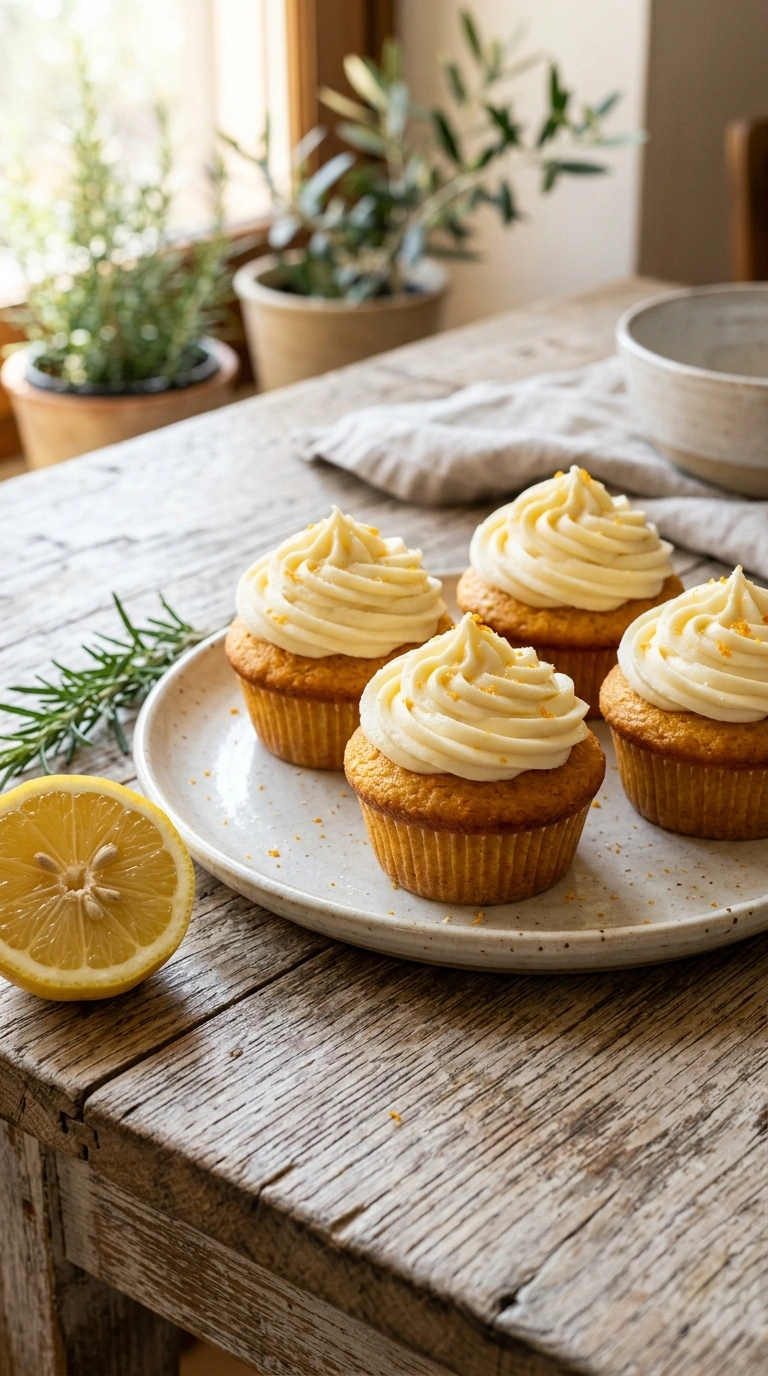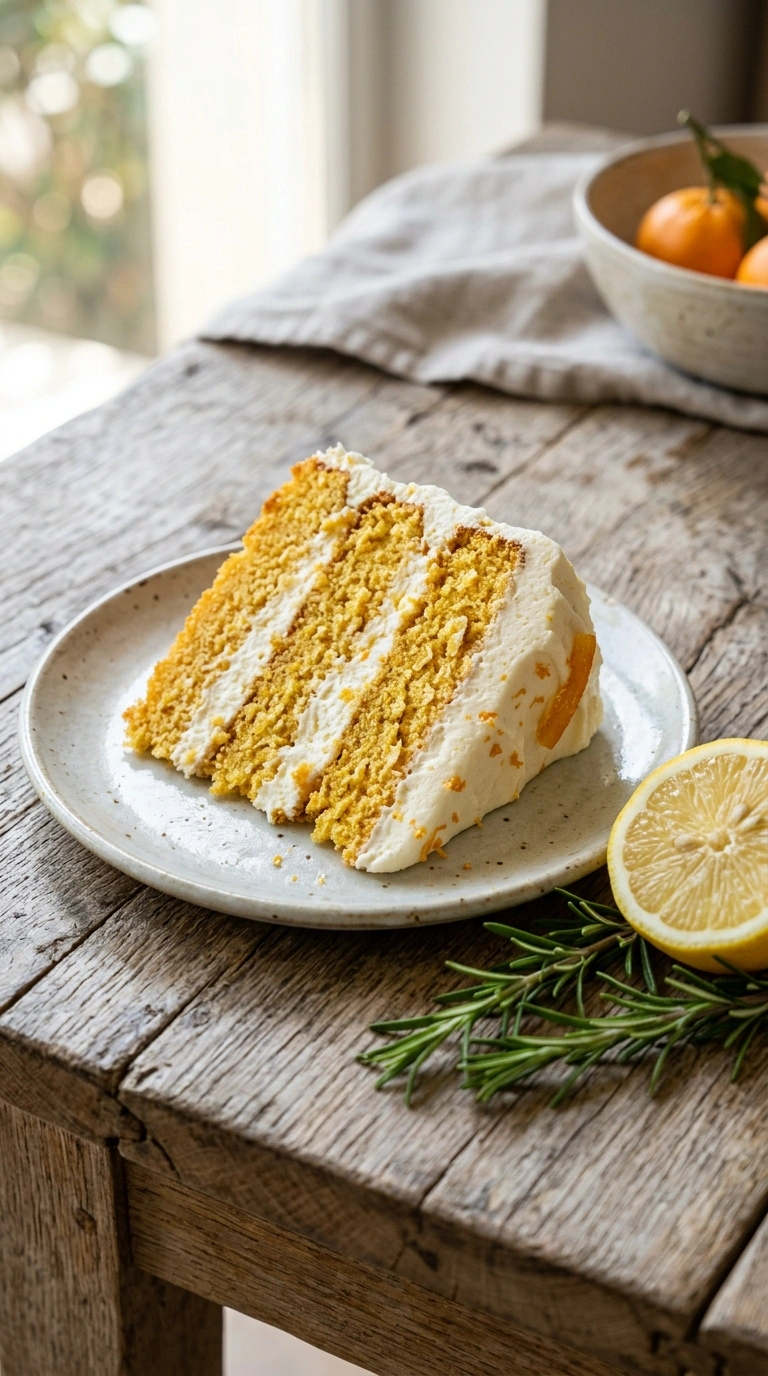
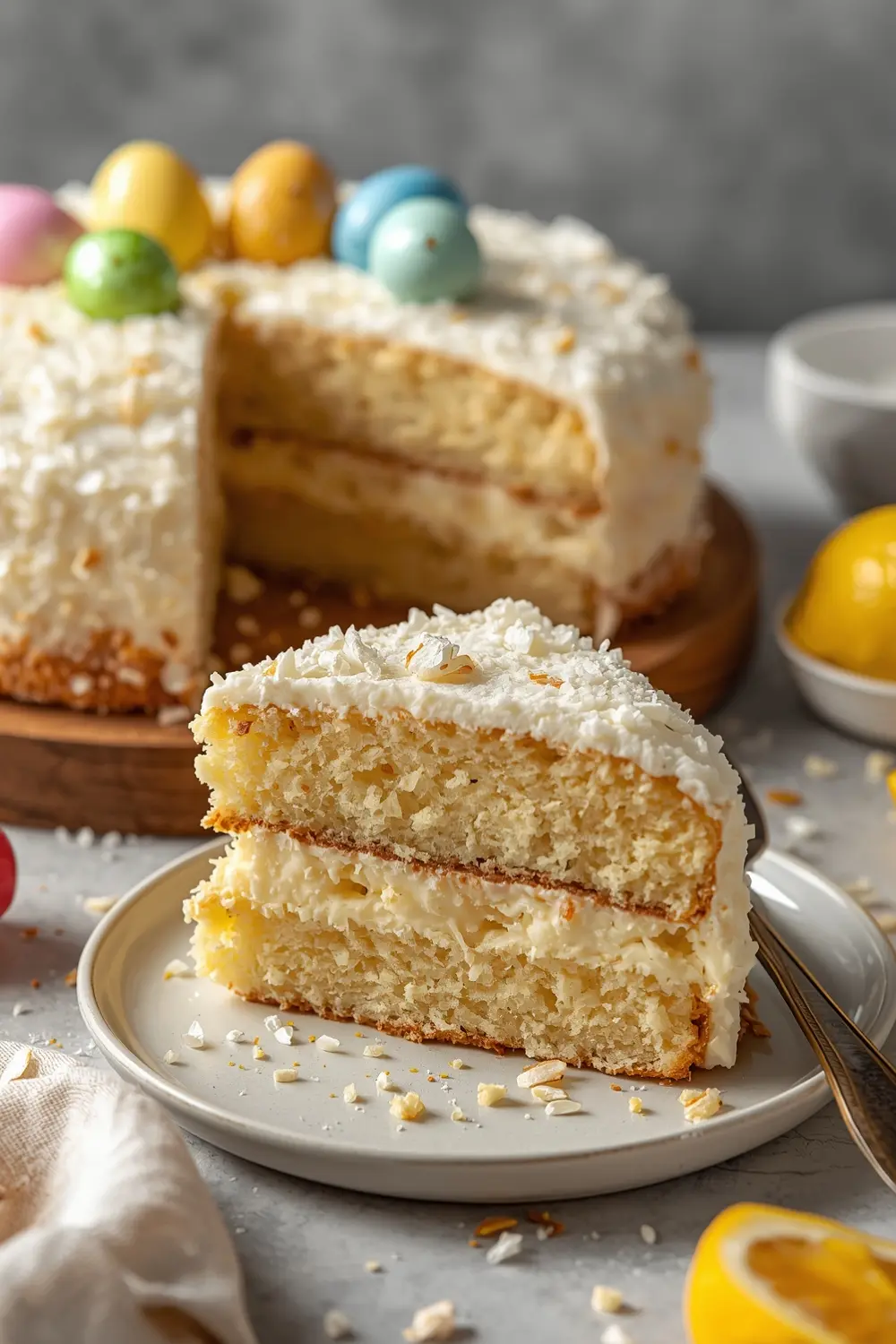
Easter coconut cake recipe is literally the most requested dessert in my kitchen every spring. I’m talking the kind of cake that disappears in minutes, even when you’ve made it a million times before. This fluffy, snow-white layer cake tastes fancy but comes together in under an hour.
Want to know the real secret? It’s all about the coconut milk and shredded coconut working together for maximum flavor and moisture. Plus, the lemon zest adds this unexpected brightness that makes people ask for the recipe instantly.
Since I started making this for Easter celebrations, it’s become the dessert nobody skips. Bookmark this recipe for your next holiday gathering or whenever you need an impressive spring layer cake that doesn’t require fancy skills.
Why this Easter coconut cake recipe works
Ever wondered why some coconut cakes taste dry and boring while others stay moist for days? I learned this the hard way after my first batch turned into a hockey puck. The combination of coconut milk in the batter plus the cream cheese frosting means you’ll get that fluffy, tender crumb every single time.
- Coconut milk creates incredible moisture without adding heaviness or greasiness
- Shredded coconut and toasted flakes deliver rich coconut flavor in every bite
- Cream cheese frosting balances sweetness with tangy creaminess that tastes amazing
- Ready in about an hour total, making it perfect for busy weeknights or holiday prep
| Prep Time | Cook Time | Calories | Servings | Cuisine |
|---|---|---|---|---|
| 25 minutes | 35 minutes | 385 per serving | 12 servings | American |
Ingredients for Easter coconut cake recipe
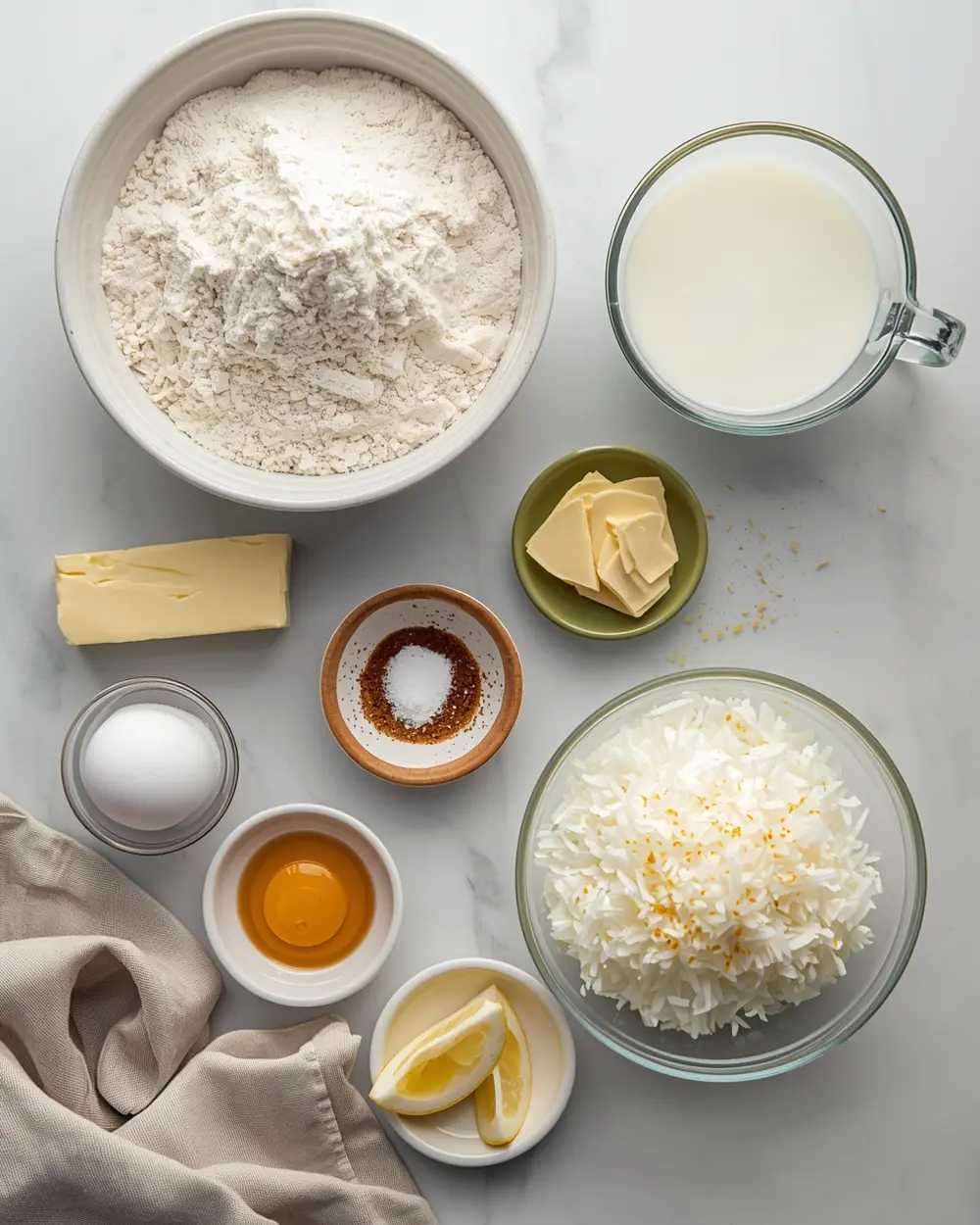
- 2 cups all-purpose flour
- 1 cup granulated sugar
- 1/2 cup unsalted butter, softened
- 3 large eggs
- 1 cup coconut milk
- 1 cup shredded sweetened coconut
- 1/2 cup cream cheese, softened
- 1 teaspoon baking powder
- 1/2 teaspoon salt
- 1 teaspoon vanilla extract
- 1/4 cup lemon zest
- 1/2 cup toasted coconut flakes
Not a fan of lemon zest? Skip it totally and add 1/2 teaspoon of coconut extract instead for pure coconut flavor. I’ve also swapped the cream cheese frosting with whipped coconut cream if you’re avoiding dairy, and it works beautifully.
The toasted coconut flakes are non-negotiable for the finishing touch—they add crunch and visual appeal that takes this spring layer cake from good to “wow.” Don’t use untoasted flakes because they’re kinda bland compared to the golden, nutty toasted version (trust me on this).
Step-by-step instructions
1. Preheat your oven to 350°F and grease two 8-inch round cake pans really well with butter. Line the bottoms with parchment paper so your layers pop right out without sticking. This step takes about 5 minutes but saves you from cake disasters—I learned this the hard way when I skipped it once.
2. Cream together the softened butter and sugar in a large bowl, beating for about 3 minutes until it’s light and fluffy. Scrape down the sides of the bowl constantly so everything combines evenly. The mixture should look pale yellow and feel almost cloud-like when you’re done.
3. Add your 3 eggs one at a time, beating for about 30 seconds after each addition to incorporate them fully. Add the vanilla extract and lemon zest, then mix for another minute. Don’t rush this step because proper mixing gives you the structure you need for fluffy cake layers.
4. In a separate bowl, whisk together your flour, baking powder, and salt—this distributes the leavening evenly throughout. Alternate adding the dry mixture and coconut milk to your butter mixture, starting and ending with the flour. Begin with 1/3 of the flour, then half the coconut milk, then another 1/3 flour, then the rest of the coconut milk, finishing with the final 1/3 flour.
5. Fold in the shredded sweetened coconut gently with a spatula until everything’s just combined—don’t overmix or you’ll lose the fluffiness. Divide the batter evenly between your prepared pans and smooth the tops. The batter should look creamy white with little flecks of coconut throughout.
6. Bake for 32–35 minutes until a toothpick inserted in the center comes out clean or with just a couple crumbs. The tops should be lightly golden and spring back when you touch them gently. Mine usually sticks a little to the sides of the pan and that’s completely fine.
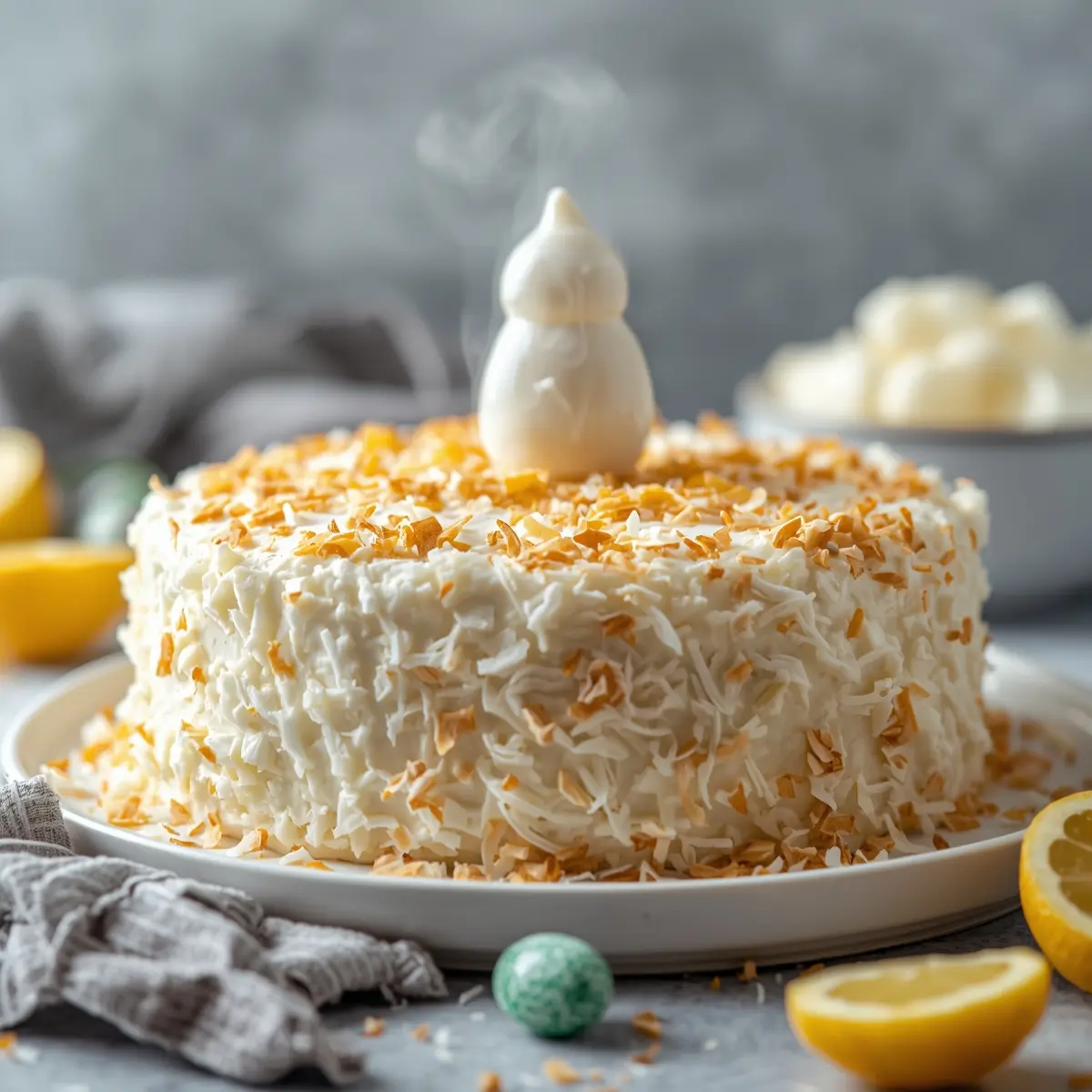
7. Cool the layers in the pans for 10 minutes, then turn them out onto wire racks to cool completely before frosting. This takes about 45 minutes total cooling time, so use that time to make your cream cheese frosting. Once cooled, layer the cakes with frosting between them and on the outside, then press the toasted coconut flakes onto the sides and top.
Serving ideas for Easter coconut cake recipe
This fluffy white cake pairs beautifully with so many spring flavors and beverages.
Fresh berries and whipped cream topping
Layer fresh strawberries, raspberries, or blueberries on top of sliced Easter coconut cake with a dollop of whipped cream. The tartness of berries cuts through the richness of the cream cheese frosting perfectly. This combo screams spring dessert and looks absolutely stunning on a plate.Afternoon tea service
Serve thin slices with a hot cup of Earl Grey or English breakfast tea for an elegant springtime treat. The lemon zest in the cake complements tea beautifully, and the moistness means it won’t dry out your mouth. Check out our lemon dessert collection for other citrus-forward springtime options.Coconut cake recipe with passion fruit curd
Spread passion fruit curd between layers or drizzle it on top for tropical flair that elevates the whole dessert. The bright tartness provides amazing contrast to the sweet coconut flavor. This version honestly tastes better when you let it sit overnight because the flavors meld together.Pro tips for perfect Easter coconut cake recipe
Storage tips
– Keep frosted cake covered at room temperature for up to 3 days or refrigerated for up to 5 days – Wrap unfrosted layers individually in plastic wrap and freeze for up to 2 months – Frosted cake freezes beautifully for up to 1 month when wrapped tightly in plastic and foilMake-ahead instructions
– Bake layers 2 days ahead, wrap tightly, and store at room temperature until frosting and assembly – Prepare cream cheese frosting up to 1 day in advance and refrigerate until you’re ready to frost – Assemble the entire cake up to 2 days early for a completely stress-free Easter or holiday mealVariations
– Add 1/2 teaspoon almond extract to the batter for subtle nutty complexity that pairs perfectly with coconut – Substitute 1/2 cup of the coconut milk with buttermilk for extra tang and moisture – Make it a chocolate-coconut cake by adding 1/4 cup cocoa powder and reducing flour to 1 3/4 cupsTroubleshooting
– If cake sinks in the middle, your oven might run cool—invest in an oven thermometer for accuracy – Dense, gummy texture means you overmixed the batter—fold in coconut gently and don’t overbeat the eggs – Frosting sliding off the layers means they weren’t cool enough—always let layers cool completely before frostingFrequently asked questions
Can I freeze Easter coconut cake recipe?
Yes, absolutely—freeze unfrosted layers for up to 2 months or the frosted assembled cake for up to 1 month. Wrap everything tightly in plastic wrap and foil to prevent freezer burn and flavor absorption. Thaw at room temperature for 2–3 hours before serving, and the texture stays moist and perfect.
What can I substitute for cream cheese frosting?
Whipped coconut cream works beautifully as a dairy-free alternative—just chill a can of full-fat coconut milk overnight, scoop the cream off the top, and whip it with powdered sugar. You could also use Italian meringue buttercream for a lighter option. Coconut buttercream made with coconut oil instead of butter gives you authentic coconut flavor throughout.
How do I reheat leftover slices?
Wrap individual slices in foil and warm them for 8–10 minutes at 300°F to restore that fresh-from-the-oven texture without drying them out. Room temperature actually tastes better to me than cold cake, so I usually just let slices sit out for 15 minutes before eating. Microwave heating for 15–20 seconds works in a pinch, though it can make the frosting slide around.
Does this spring layer cake work with different fillings?
Totally—try raspberry jam, lemon curd, or fresh whipped cream between the layers instead of frosting everywhere. The neutral coconut flavor plays well with basically any filling you love. White chocolate ganache mixed with a teaspoon of coconut extract tastes absolutely incredible and looks fancy.
Final thoughts
This Easter coconut cake recipe genuinely tastes like you spent hours in the kitchen, even though you’ll have it baked and frosted in about 90 minutes. The fluffy layers stay moist for days thanks to the coconut milk in the batter, making it perfect for parties or meal prep.
Honestly, nothing impresses a crowd quite like a gorgeous white layer cake with toasted coconut flakes sparkling on top. People always ask if you made it from scratch, and yes, you totally did—and you did it easily. For more holiday baking inspiration, explore our Easter dessert ideas collection.
Save this recipe for your next spring celebration, and get ready for everyone to ask for seconds. Your family’s gonna love you for this one—pin it now so you don’t lose it! Find more amazing frosting options in our cream cheese frosting recipes to customize your cake even more.
Easter Coconut Cake Fluffy and Snow White
Ingredients
Method
- Preheat your oven to 350°F and grease two 8-inch round cake pans really well with butter. Line the bottoms with parchment paper so your layers pop right out without sticking. This step takes about 5 minutes but saves you from cake disasters—I learned this the hard way when I skipped it once.
- Cream together the softened butter and sugar in a large bowl, beating for about 3 minutes until it’s light and fluffy. Scrape down the sides of the bowl constantly so everything combines evenly. The mixture should look pale yellow and feel almost cloud-like when you’re done.
- Add your 3 eggs one at a time, beating for about 30 seconds after each addition to incorporate them fully. Add the vanilla extract and lemon zest, then mix for another minute. Don’t rush this step because proper mixing gives you the structure you need for fluffy cake layers.
- In a separate bowl, whisk together your flour, baking powder, and salt—this distributes the leavening evenly throughout. Alternate adding the dry mixture and coconut milk to your butter mixture, starting and ending with the flour. Begin with 1/3 of the flour, then half the coconut milk, then another 1/3 flour, then the rest of the coconut milk, finishing with the final 1/3 flour.
- Fold in the shredded sweetened coconut gently with a spatula until everything’s just combined—don’t overmix or you’ll lose the fluffiness. Divide the batter evenly between your prepared pans and smooth the tops. The batter should look creamy white with little flecks of coconut throughout.
- Bake for 32–35 minutes until a toothpick inserted in the center comes out clean or with just a couple crumbs. The tops should be lightly golden and spring back when you touch them gently. Mine usually sticks a little to the sides of the pan and that’s completely fine.
- Cool the layers in the pans for 10 minutes, then turn them out onto wire racks to cool completely before frosting. This takes about 45 minutes total cooling time, so use that time to make your cream cheese frosting. Once cooled, layer the cakes with frosting between them and on the outside, then press the toasted coconut flakes onto the sides and top.