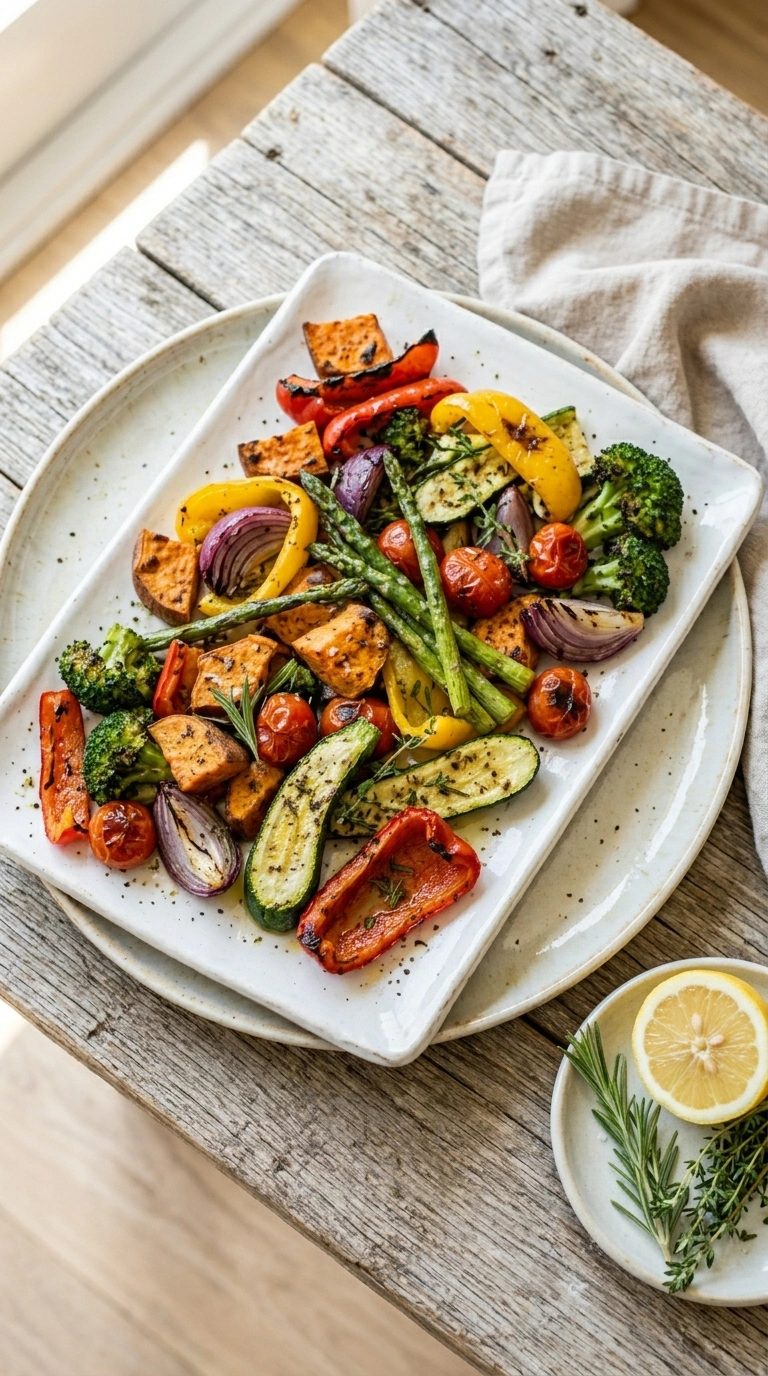
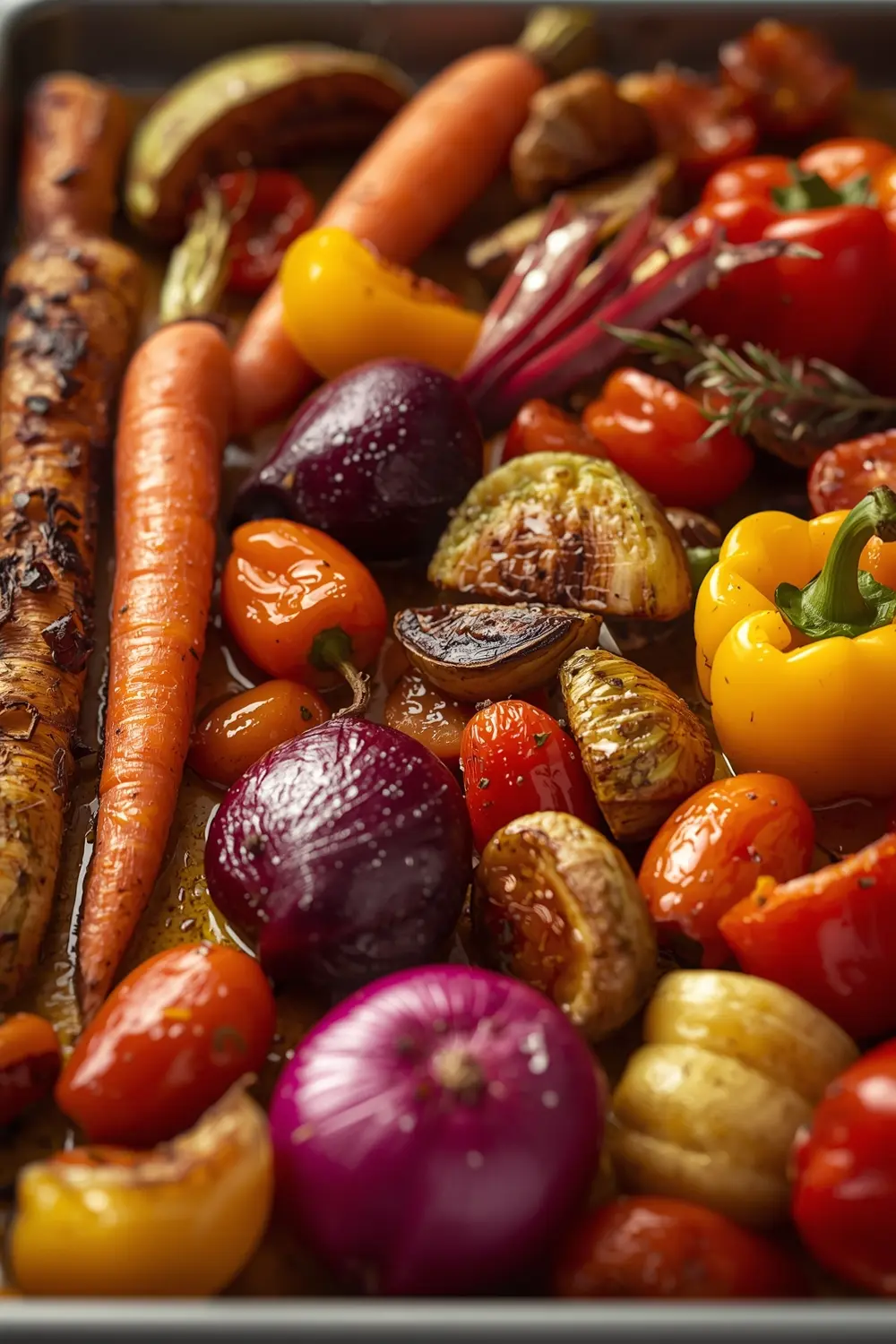
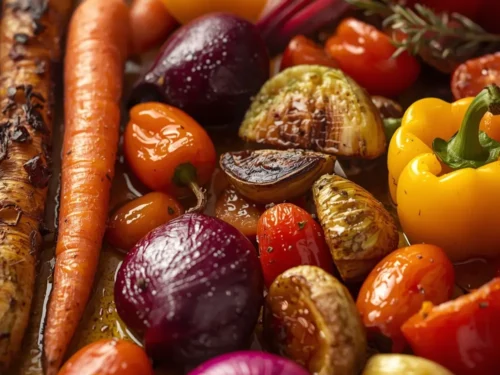
Easter roasted vegetables recipe takes the stress out of holiday cooking with minimal prep and maximum flavor. I’m obsessed with how simple this is — seriously, you throw everything on a pan and the oven does the work. The colors are absolutely stunning, and your guests will think you spent hours in the kitchen (don’t tell them it’s just 50 minutes total). Plus, if you’re looking for easy Easter side dish ideas, this one’s a total crowd-pleaser that works with any main course.
Need other spring dinner inspiration? Check out more Easter side dishes that pair perfectly with this one.
The best part? You can prep everything the night before and just roast it when guests arrive. Save this for later if you’re planning your holiday menu — trust me, you’ll want it bookmarked.
Why this Easter roasted vegetables recipe works
Ever notice how roasted veggies taste so much better than steamed ones? That’s because high heat brings out natural sweetness and creates those caramelized edges everyone goes crazy for. I made this last Easter and had people asking for the recipe before they even finished eating.
- Hands-off cooking means you’re not stuck in the kitchen while guests arrive
- Rainbow of colors makes your table look fancy and festive
- Naturally sweet and tender from roasting, no heavy cream sauces needed
- Works for any diet — naturally vegetarian, gluten-free, and keeps well
| Prep Time | Cook Time | Calories | Servings | Cuisine |
|---|---|---|---|---|
| 15 minutes | 35 minutes | 110 per serving | 6 servings | American |
Ingredients for Easter roasted vegetables recipe
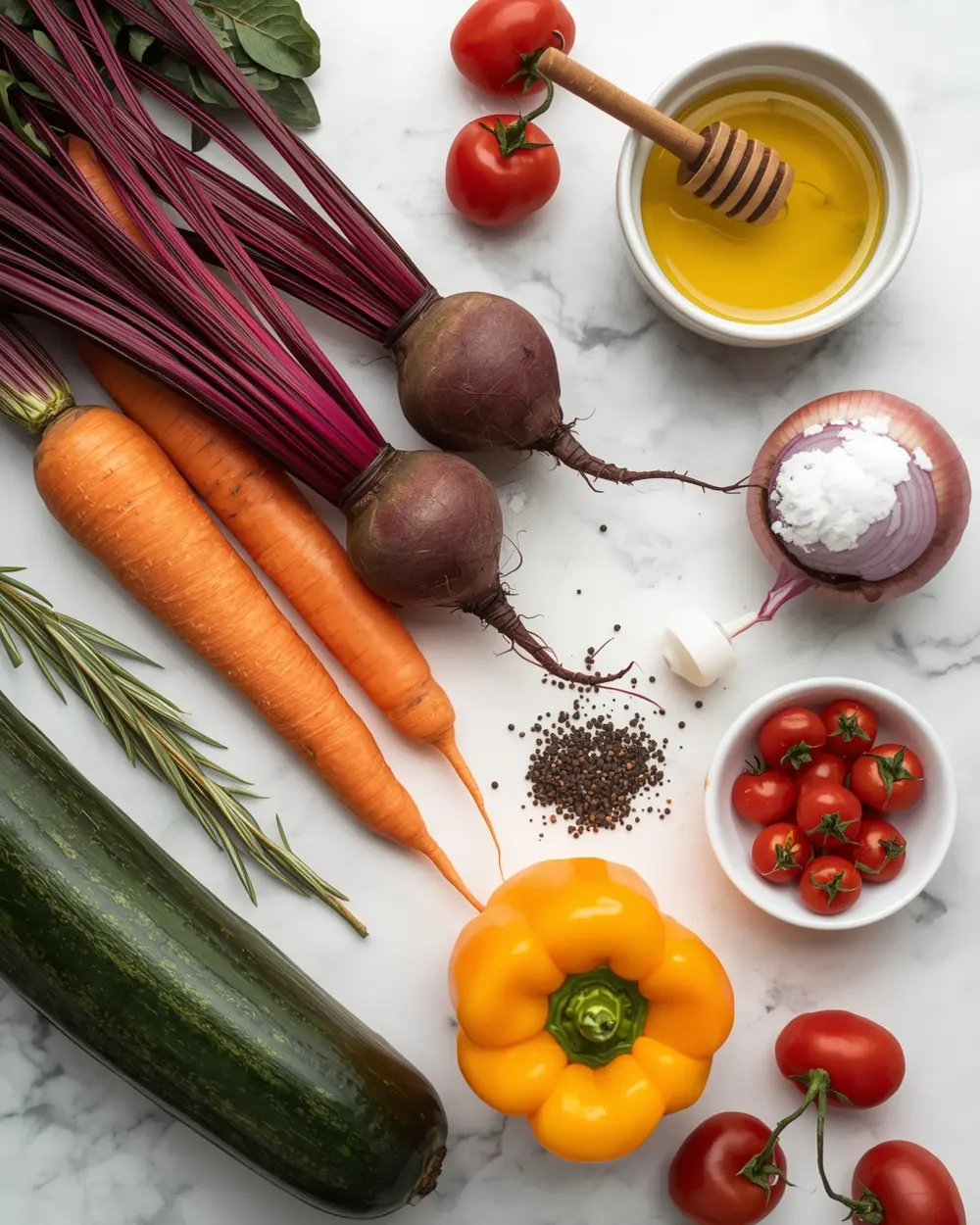
- 3 carrots, cut into 2-inch pieces
- 2 beets, peeled and cut into 1-inch chunks
- 1 red bell pepper, cut into 1-inch pieces
- 1 yellow bell pepper, cut into 1-inch pieces
- 1 medium red onion, cut into wedges
- 1 small zucchini, cut into 2-inch pieces
- 1 cup cherry tomatoes, left whole
- 2 tablespoons olive oil
- 1 teaspoon salt
- 1/2 teaspoon black pepper
- 1 tablespoon honey
- 1 teaspoon dried rosemary
- 1 teaspoon dried thyme
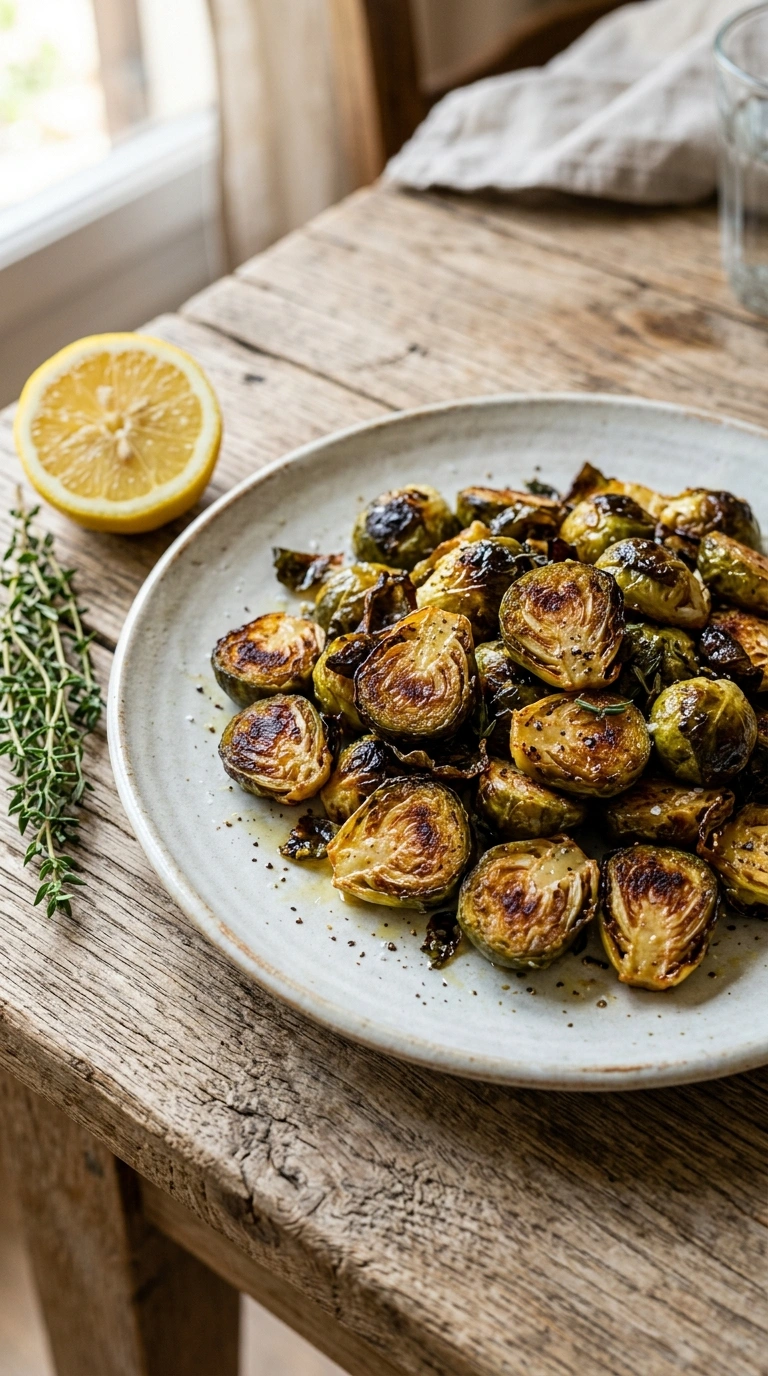
Want to swap things around? Honestly, you can’t really go wrong here — substitute any spring vegetables you have on hand. I’ve used asparagus, Brussels sprouts, and snap peas with amazing results.
Don’t skip the honey, though — it’s what makes the edges get that gorgeous caramelized coating. The dried herbs are essential too, but if you’ve got fresh rosemary and thyme in your garden, use half the amount and toss them in during the last 5 minutes of roasting.
Step-by-step instructions
1. Preheat your oven to 425°F and line a large baking sheet with parchment paper (makes cleanup so much easier, trust me). Pat your veggies dry with a clean kitchen towel — this is super important because moisture stops caramelization. Wet vegetables will steam instead of roast, and you definitely don’t want that.
2. Add all your chopped vegetables to a large bowl and drizzle with olive oil, honey, salt, and black pepper. Toss everything together until every piece is coated — I use my hands because it’s faster and you can feel if anything’s missed. Make sure the honey gets evenly distributed throughout the mix.
3. Sprinkle the dried rosemary and thyme over the vegetables and toss again for about 30 seconds. The dried herbs will hydrate slightly and stick to the oil-coated veggies. This distributes the flavor so much better than sprinkling them on top of the pan.
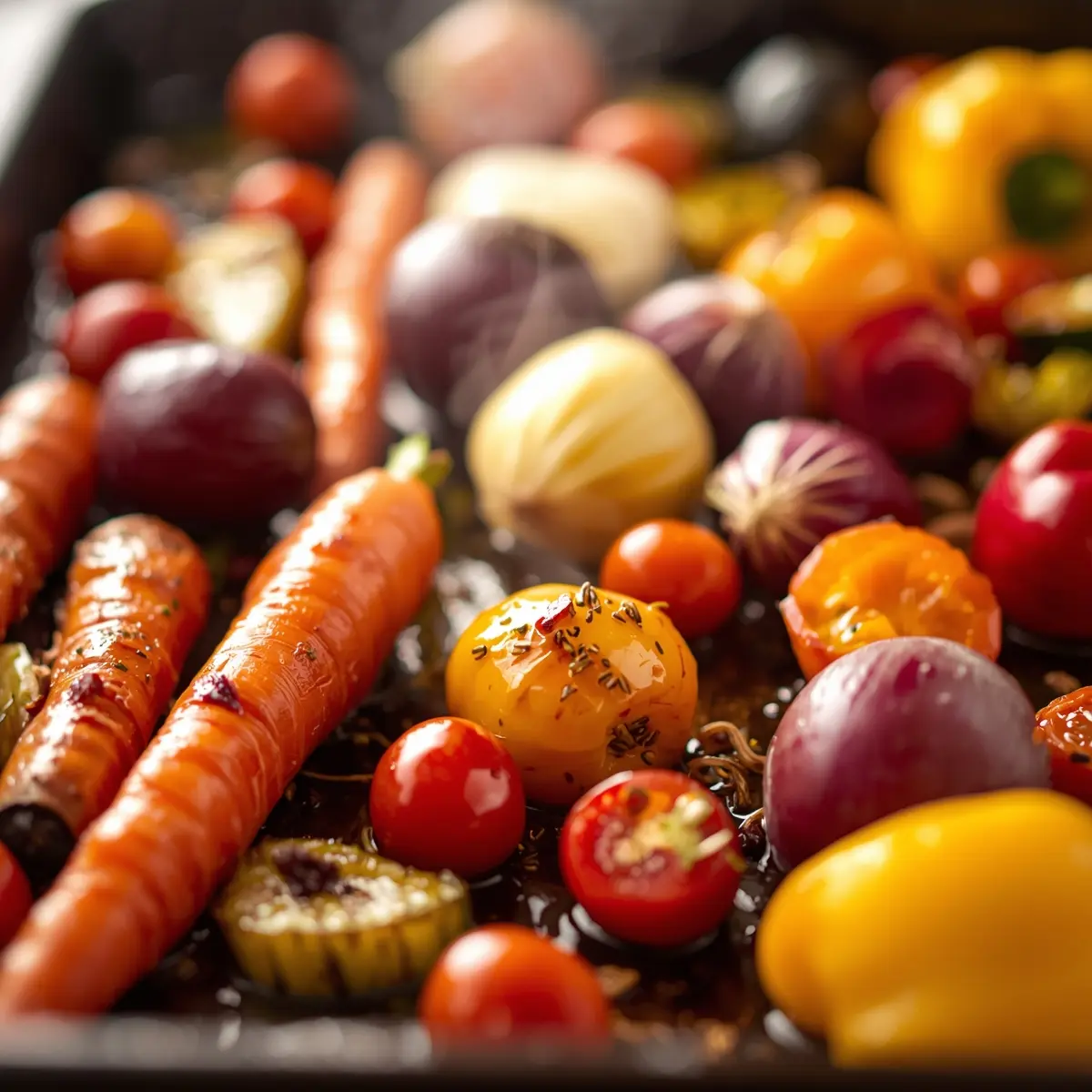
4. Spread the vegetables in a single layer on your prepared baking sheet, making sure nothing overlaps (this is key for roasting). If you crowd the pan, they’ll steam instead of caramelize and get mushy. I always use two baking sheets for this recipe rather than piling everything on one.
5. Roast for 20 minutes, then pull the pan out and give everything a good stir with a wooden spoon or spatula. Don’t panic if things look a little dry at first — the vegetables release moisture as they cook. After stirring, pop it back in for another 12-15 minutes until the edges turn golden brown.
6. The vegetables are done when the beets are tender when pierced with a fork and the onion pieces start to caramelize at the edges. The tomatoes might burst a little — that’s totally fine and actually looks really nice. You want to see those golden-brown spots on the carrots and peppers.
7. Let everything cool on the baking sheet for 2-3 minutes before transferring to a serving dish (this helps the vegetables firm up slightly). Taste and adjust seasonings if needed — sometimes I add a tiny pinch more salt. Serve warm or at room temperature, whatever works for your Easter dinner timing.
Serving ideas for Easter roasted vegetables recipe
These beautifully caramelized veggies work with practically anything on your Easter table.
Alongside glazed ham
Pair this with traditional glazed ham for a perfect sweet-and-savory combo. The roasted vegetables’ natural sweetness complements the ham’s glaze without competing for attention, and honestly, it’s such an easy way to impress without extra effort.With herb-crusted chicken
Check out herb-roasted chicken recipes to serve alongside these colorful vegetables. The fresh herbs in the chicken and the roasted herbs in the vegetables create a cohesive, restaurant-quality plate that looks fancy but took minimal planning.As part of a vegetarian main
These roasted vegetables work beautifully as your main course for vegetarian guests when served with grains like quinoa or farro. The combination of textures and that honey-herb coating makes it satisfying enough to stand on its own, and your non-vegetarian guests will want some too.Pro tips for perfect Easter roasted vegetables recipe
Storage tips
– Keep leftovers in an airtight container in the fridge for up to 4 days – These actually taste even better the next day as flavors meld – Reheat gently at 300°F for about 10 minutes or eat cold straight from the fridgeMake-ahead instructions
– Chop all vegetables the night before and store separately in containers – Mix the oil, honey, and herbs in a small bowl and refrigerate overnight – Combine everything morning-of and roast just before serving — saves timeVariations
– Add fresh herbs like dill or parsley in the last 2 minutes for brightness – Toss with balsamic vinegar after roasting for extra depth – Mix in goat cheese crumbles or feta after roasting for a creamy elementTroubleshooting
– If vegetables look watery after roasting, drain excess liquid before serving – Burned edges mean your oven runs hot — reduce temp to 400°F next time – Too tender and mushy? Check doneness at 30 minutes instead of 35Frequently asked questions
Can I make this Easter roasted vegetables recipe ahead of time?
Yes, absolutely — prep everything the night before and combine just before roasting. You can also roast them fully up to 2 hours ahead and serve at room temperature. Just reheat gently at 300°F for 8-10 minutes if you want them warm again.What if I don’t have dried rosemary and thyme?
Use 1/2 teaspoon each of fresh rosemary and thyme instead, tossing them in during the last 5 minutes of roasting. Italian seasoning (1 tablespoon) works as a substitute if you have it on hand. Any dried herbs you like — oregano, basil, or dill — will work fine too.Can I freeze leftover roasted vegetables?
Freeze them in a single layer on a baking sheet for 2 hours, then transfer to freezer bags for up to 3 months. Thaw overnight in the fridge and reheat at 350°F for about 12-15 minutes until warmed through. They’ll be softer than fresh, but totally usable in grain bowls or soups.Do I need to peel the beets before roasting?
Yes, peel them first to avoid staining your hands and other vegetables with beet juice. If you want to wear gloves while peeling, honestly, do it — I learned that lesson the hard way and had purple hands for days. The beets roast faster when cut into smaller chunks too.Final thoughts
Not gonna lie, this Easter roasted vegetables recipe has become my go-to side dish for every spring dinner, not just holidays. It’s foolproof, looks impressive, and saves you from being stuck in the kitchen while your family arrives.
The best part is how forgiving it is — you can roast it ahead, serve it hot or cold, and even throw in whatever vegetables you have hanging around in your fridge. Your guests will absolutely love it, and the colors are so Instagram-worthy your table photos will look professionally styled.
Looking for more Easter sides to round out your menu? check out easy spring side dish ideas that work beautifully together.
Pin this Easter roasted vegetables recipe now so it’s saved for your holiday planning — you won’t regret it.
Easter Roasted Vegetables Colorful and Caramelized
Ingredients
Method
- Preheat your oven to 425°F and line a large baking sheet with parchment paper (makes cleanup so much easier, trust me). Pat your veggies dry with a clean kitchen towel — this is super important because moisture stops caramelization. Wet vegetables will steam instead of roast, and you definitely don’t want that.
- Add all your chopped vegetables to a large bowl and drizzle with olive oil, honey, salt, and black pepper. Toss everything together until every piece is coated — I use my hands because it’s faster and you can feel if anything’s missed. Make sure the honey gets evenly distributed throughout the mix.
- Sprinkle the dried rosemary and thyme over the vegetables and toss again for about 30 seconds. The dried herbs will hydrate slightly and stick to the oil-coated veggies. This distributes the flavor so much better than sprinkling them on top of the pan.
- Spread the vegetables in a single layer on your prepared baking sheet, making sure nothing overlaps (this is key for roasting). If you crowd the pan, they’ll steam instead of caramelize and get mushy. I always use two baking sheets for this recipe rather than piling everything on one.
- Roast for 20 minutes, then pull the pan out and give everything a good stir with a wooden spoon or spatula. Don’t panic if things look a little dry at first — the vegetables release moisture as they cook. After stirring, pop it back in for another 12-15 minutes until the edges turn golden brown.
- The vegetables are done when the beets are tender when pierced with a fork and the onion pieces start to caramelize at the edges. The tomatoes might burst a little — that’s totally fine and actually looks really nice. You want to see those golden-brown spots on the carrots and peppers.
- Let everything cool on the baking sheet for 2-3 minutes before transferring to a serving dish (this helps the vegetables firm up slightly). Taste and adjust seasonings if needed — sometimes I add a tiny pinch more salt. Serve warm or at room temperature, whatever works for your Easter dinner timing.