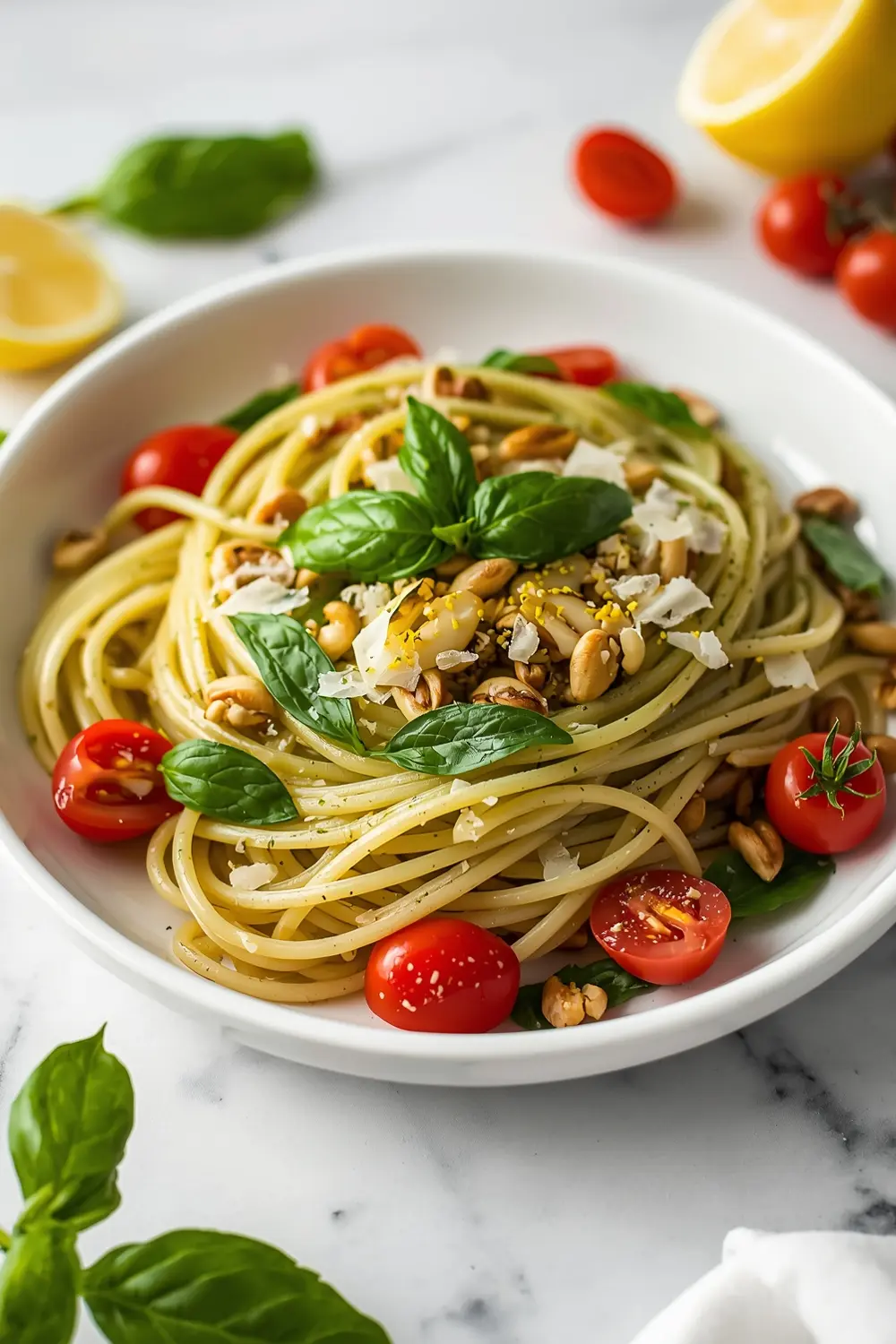
The moment you taste stunning cold pesto pasta summer, you’ll understand why Marco requests this dish at every backyard gathering from June through September. Fresh basil, toasted nuts, and al dente pasta combine into something that feels both effortless and refined—the kind of elegant pesto pasta that makes you look like you spent hours in the kitchen.
This beautiful Italian summer staple transforms simple ingredients into a showstopper that’s ready in under forty minutes. Whether you’re hosting a dinner party or meal prepping for the week ahead, this recipe delivers restaurant-quality results without the stress or heat.
Here’s the real secret: most cold pesto recipes use room-temperature pasta, which absorbs all the pesto and turns into a dense, heavy mess by serving time. The trick is chilling your cooked pasta in ice water first, then dressing it just before serving—this method ensures every strand stays separate and coated with vibrant sauce. That one small shift transforms a mushy disappointment into the kind of elegant pesto pasta that actually improves as it sits. Check out elegant cold pasta salad summer for similar fresh techniques.
This is absolutely the dish to pin for those scorching afternoons when turning on your oven feels like a personal betrayal. Summer entertaining just got easier—and far more delicious.
Why this cold pesto recipe works
What makes a chilled pasta dish genuinely stunning instead of forgettable? The balance between bold pesto flavor and cooling elements that prevent everything from feeling heavy or one-dimensional.
- Fresh basil pesto stays vibrant because you’re not cooking it—just blending it with quality olive oil and lemon.
- Pine nuts toast dry in a skillet first, which concentrates their flavor and prevents the stunning cold pesto pasta summer from tasting flat.
- Cherry tomatoes add bursts of acidity that cut through the richness of cheese and nuts, because warm flavors need cool counterpoints.
- Lemon zest (not just juice) provides brightness that lingers without the harshness of raw lemon juice alone.
I’ve made this cold pesto pasta version dozens of times, and I genuinely believe the addition of toasted walnuts alongside pine nuts deepens the nutty base without making it taste one-note. Most recipes stick with pine nuts alone, which is fine—but walnuts add texture variation that makes each bite feel intentional.
|
Prep
20 minutes
|
Cook
15 minutes
|
Cal
420
|
Serves
4 servings
|
Cuisine
Italian
|
Ingredients for stunning cold pesto pasta summer
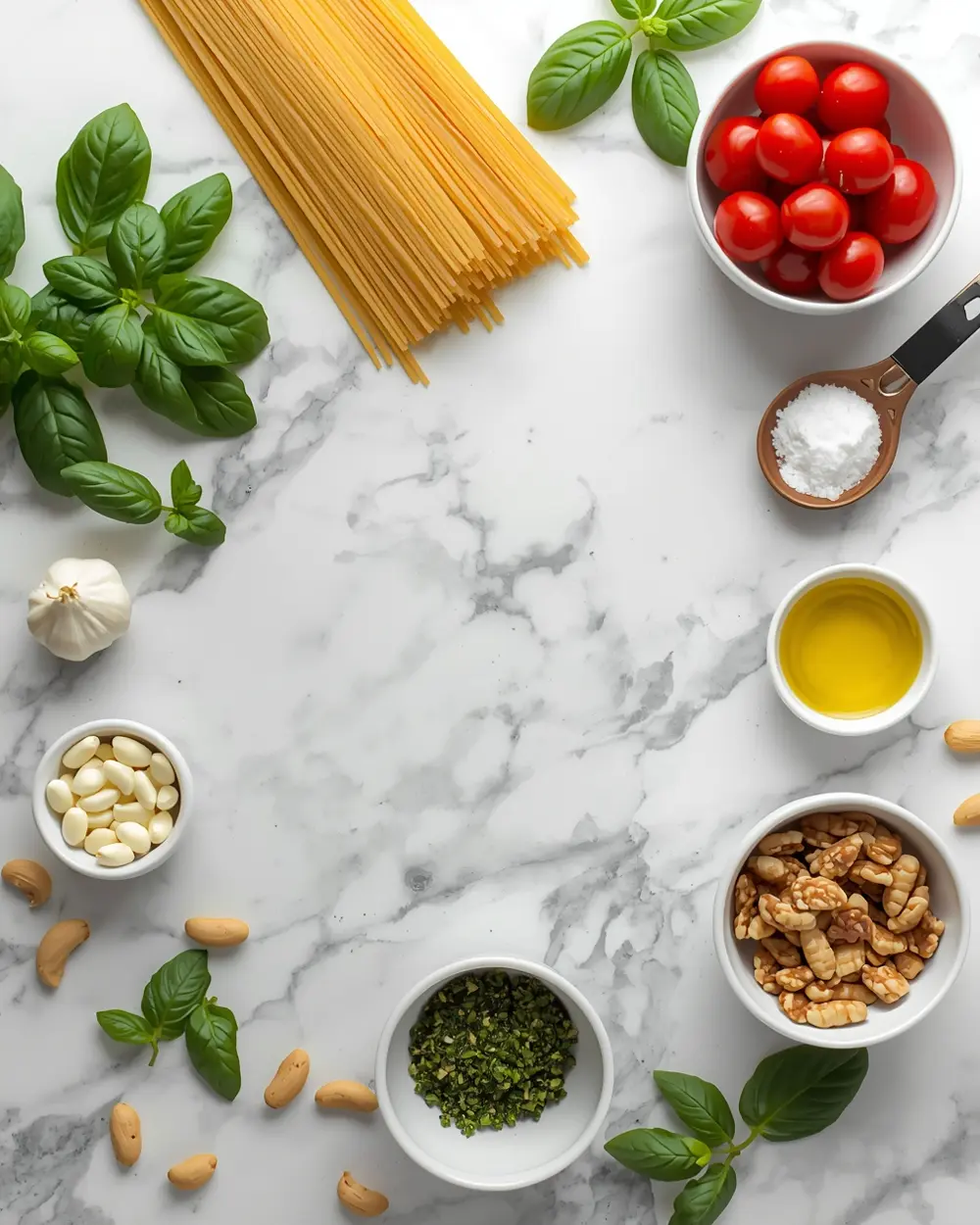
- 200g spaghetti
- 1 cup fresh basil leaves
- 1/4 cup pine nuts
- 2 cloves garlic
- 1/2 cup Parmesan cheese
- 1/3 cup extra-virgin olive oil
- 2 tbsp lemon juice
- 1 tsp kosher salt
- 1/4 tsp freshly ground black pepper
- 1 cup cherry tomatoes, halved
- 1 tbsp lemon zest
- 1/4 cup toasted walnuts
Most readers ask about substituting pine nuts because they’re expensive or hard to find—and honestly, that’s a completely valid concern. You can absolutely use walnuts, almonds, or even sunflower seeds as your primary nut base; the flavor will shift slightly toward earthiness rather than delicate nuttiness, but the stunning cold pesto pasta summer will still feel elegant and complete. If you’re using store-bought pesto instead of making it fresh, reduce the olive oil to 1/4 cup since jarred versions are already quite oily.
The Parmesan cheese matters here because it adds a sharp, salty edge that balances the fresh basil—pre-grated versions contain anti-caking agents that can make your pesto feel grainy rather than smooth. One honest note: this recipe assumes you have access to fresh basil, which is non-negotiable for the flavor profile we’re building here. If basil isn’t available, frozen basil (thawed and squeezed dry) works better than dried herbs, though the result won’t be quite as vibrant.
Let’s move into the actual cooking process, which is where the magic happens.
Step-by-step cold pesto pasta instructions
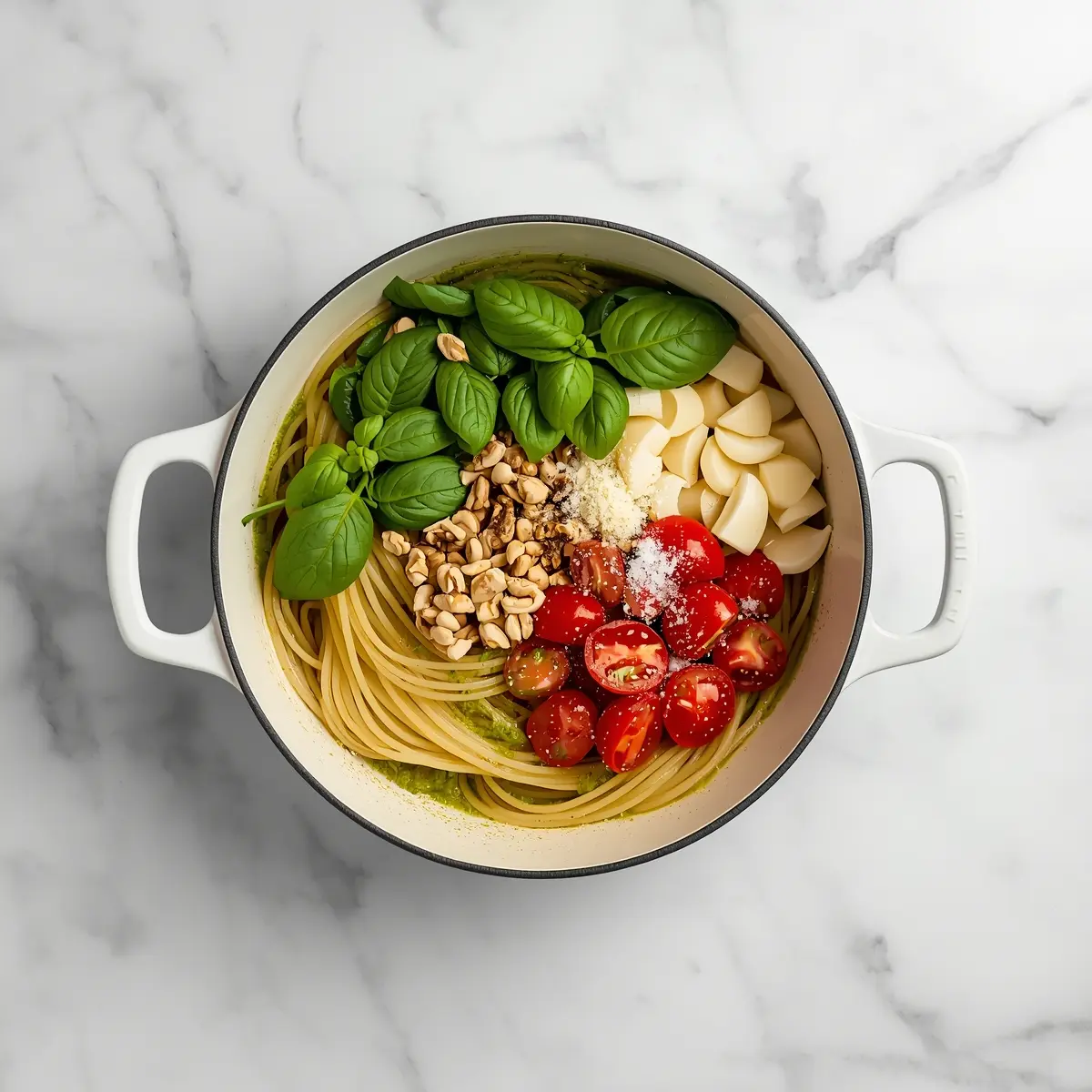
1. Toast your pine nuts in a dry skillet over medium heat for 3–4 minutes, stirring constantly until they smell toasty and slightly darken. I learned this the hard way after making burnt nuts twice—the smell shifts from pleasant to acrid in about thirty seconds, so stay right there and watch them. This toasting step concentrates their flavor so your pesto doesn’t taste like library paste.
2. Cook the spaghetti in salted boiling water according to package directions, aiming for al dente texture (usually 9–11 minutes). I always reserve one cup of pasta water before draining—you might need it to loosen your pesto later if everything feels too thick. This water has starch in it, which actually helps the sauce coat the noodles better than regular water would.
3. Drain the pasta and immediately transfer it to an ice bath (a large bowl filled with ice and cold water) for 2–3 minutes, stirring gently to cool it completely. This stops the cooking process and prevents the noodles from sticking together or continuing to absorb water. I know this feels like an extra step, but it’s the reason your stunning cold pesto pasta summer stays separate instead of clumping into a dense mass.
4. While pasta cools, combine basil, toasted pine nuts, garlic cloves, Parmesan, olive oil, lemon juice, salt, and pepper in a food processor and pulse until the mixture reaches a chunky paste consistency—don’t over-blend or it becomes bitter and one-dimensional. Pesto should have some visible texture rather than turning into a smooth spread. Taste it now and adjust salt and pepper, because you can’t fix it easily once it’s on the pasta.
5. Drain the cooled pasta thoroughly (spin it in a colander or pat it with paper towels), then transfer it to a large mixing bowl. Fold in the pesto gently, using about two-thirds of it at first, then add more if needed—you want pasta that’s evenly coated but not drowning in sauce. I always taste a strand at this point and add more salt or lemon juice if it feels flat, because the cold temperature mutes flavors slightly.
6. Fold in the cherry tomatoes and lemon zest gently just before serving, then top each bowl with toasted walnuts for crunch. The reason you add tomatoes last is because their acidity can break down the pesto if they sit in the sauce too long. This timing keeps your elegant pesto pasta looking fresh and vibrant on the plate.
Now that you’ve got the fundamentals down, let’s talk about the best ways to serve this beautiful Italian summer dish.
Serving ideas for stunning cold pesto pasta summer
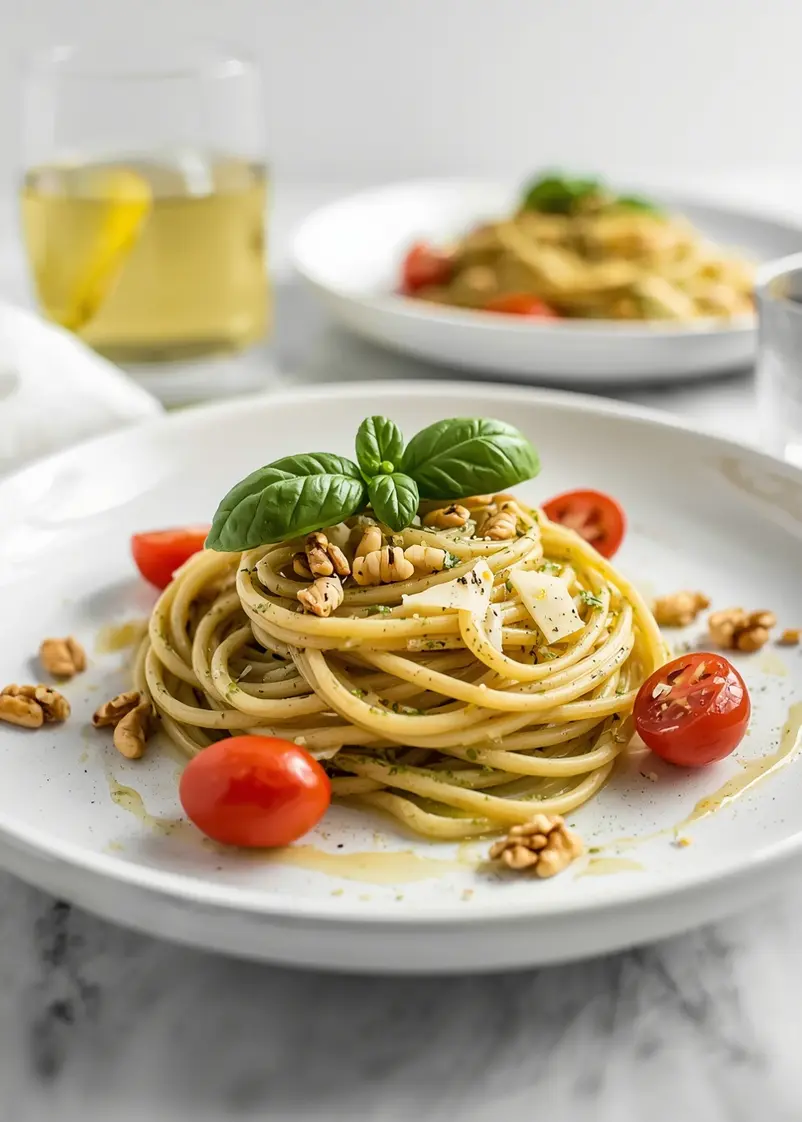
Pair this with light, crisp wines and fresh vegetables to let the pesto shine without competing flavors.
With Grilled Chicken and Charred Vegetables
Slice grilled chicken breast and arrange it on top alongside charred zucchini and bell peppers. The warm protein against the cold pasta creates temperature contrast that feels sophisticated and satisfying, because your mouth gets both comfort and refreshment in every bite. beautiful cold chicken pasta salad summer explores this combination in more depth.With Fresh Mozzarella and Heirloom Tomatoes
Add tear-drop-sized pieces of fresh mozzarella and colorful heirloom tomato slices directly to the bowl just before serving. The creamy cheese and juicy tomatoes complement the bright basil pesto naturally, creating a three-part flavor structure that feels both simple and elegant. This version works beautifully as a light lunch or dinner starter.With Crispy Prosciutto and Pine Nuts
Break crispy prosciutto into shards and scatter across the top along with additional toasted pine nuts for textural interest. The salty, cured meat adds umami depth that intensifies the stunning cold pesto pasta summer without making it feel heavy—perfect for when you want restaurant-level presentation in your own kitchen.These pairings demonstrate that the cold pesto pasta recipe serves as a flexible canvas rather than a finished dish on its own.
Frequently asked cold pesto questions
Can I freeze stunning cold pesto pasta summer?
No, this dish doesn’t freeze well because pasta becomes mushy when thawed and pesto separates from the oil. You can freeze the pesto component alone (in ice cube trays for portion control) and use it within three months for future batches.What if I don’t have fresh basil available?
Frozen basil (thawed and squeezed dry) works as a second choice, though the color and flavor won’t be as vibrant as fresh. Dried basil tastes harsh in this application, so avoid it entirely unless you’re in a genuine pinch. Fresh spinach mixed with fresh mint can provide some of the flavor profile, though it shifts the final result noticeably.Can I reheat this cold pasta dish?
Yes, but it’s not ideal because it was designed to be served cold and benefits from that temperature. If you must reheat it, place it in a microwave-safe dish, cover it loosely, and heat at **50% power for 2–3 minutes**, stirring halfway through to distribute heat evenly. The pesto may separate slightly, so stir well before eating.How do I make this version lighter without sacrificing the pesto flavor?
You can reduce the olive oil to 1/4 cup and substitute Greek yogurt for half the oil (2 tablespoons yogurt added after blending), which cuts fat significantly without losing creaminess. The trade-off is a slightly tangier flavor, but many people actually prefer it because it balances the rich nuts and cheese beautifully.Final thoughts on elegant pesto pasta
Marco actually requested this recipe during last week’s dinner party after tasting it once, which tells you something about how memorable it becomes. The stunning cold pesto pasta summer genuinely improves as it sits in the refrigerator because flavors meld and intensify—something most pasta dishes can’t claim.
Make this ahead of time on busy days when you want something that looks impressive without requiring last-minute effort at the stove. This cold pesto recipe proves that elegant entertaining doesn’t require complicated techniques or obscure ingredients. Check out stunning honey sriracha chicken summer for another show-stopping warm-weather dish.
Which ingredient would you swap first—would you go with different nuts, or would you experiment with a mix of basil and mint for complexity? Tag me and show me how your version turns out.
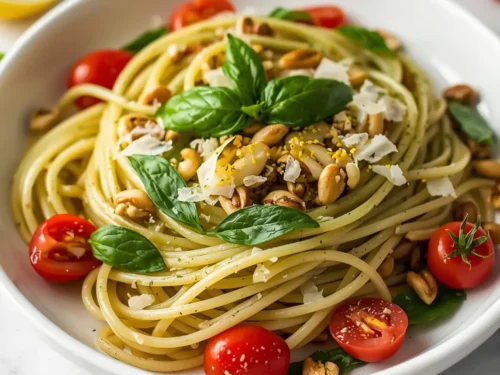
Best stunning cold pesto pasta summer
Ingredients
Method
- Toast your pine nuts in a dry skillet over medium heat for 3–4 minutes, stirring constantly until they smell toasty and slightly darken. I learned this the hard way after making burnt nuts twice—the smell shifts from pleasant to acrid in about thirty seconds, so stay right there and watch them. This toasting step concentrates their flavor so your pesto doesn’t taste like library paste.
- Cook the spaghetti in salted boiling water according to package directions, aiming for al dente texture (usually 9–11 minutes). I always reserve one cup of pasta water before draining—you might need it to loosen your pesto later if everything feels too thick. This water has starch in it, which actually helps the sauce coat the noodles better than regular water would.
- Drain the pasta and immediately transfer it to an ice bath (a large bowl filled with ice and cold water) for 2–3 minutes, stirring gently to cool it completely. This stops the cooking process and prevents the noodles from sticking together or continuing to absorb water. I know this feels like an extra step, but it’s the reason your stunning cold pesto pasta summer stays separate instead of clumping into a dense mass.
- While pasta cools, combine basil, toasted pine nuts, garlic cloves, Parmesan, olive oil, lemon juice, salt, and pepper in a food processor and pulse until the mixture reaches a chunky paste consistency—don’t over-blend or it becomes bitter and one-dimensional. Pesto should have some visible texture rather than turning into a smooth spread. Taste it now and adjust salt and pepper, because you can’t fix it easily once it’s on the pasta.
- Drain the cooled pasta thoroughly (spin it in a colander or pat it with paper towels), then transfer it to a large mixing bowl. Fold in the pesto gently, using about two-thirds of it at first, then add more if needed—you want pasta that’s evenly coated but not drowning in sauce. I always taste a strand at this point and add more salt or lemon juice if it feels flat, because the cold temperature mutes flavors slightly.
- Fold in the cherry tomatoes and lemon zest gently just before serving, then top each bowl with toasted walnuts for crunch. The reason you add tomatoes last is because their acidity can break down the pesto if they sit in the sauce too long. This timing keeps your elegant pesto pasta looking fresh and vibrant on the plate.